After Hirokazu Koreeda, is he the next Japanese teacher?
In 2015,[happy hour]After the premiere of the Locarno Film Festival in Switzerland,Director Ryūsuke Hamaguchi.Began to be concerned by more and more China fans;
In 2018, he relied on[Day and night]Being a finalist in the main competition of Cannes Film Festival for the first time, although he didn’t win the prize, his position among China fans has reached a big step.
In 2021, after more than a year of epidemic, he successively[accident and imagination] [driving my car], won the jury award of Berlin Film Festival and the best screenwriter award of Cannes Film Festival respectively.
Ryūsuke Hamaguchi has become the new favorite of international and domestic fans.
Creative methodology
In the running tram, boys and girls sat opposite each other, and the scenery outside the window flashed by quickly. Boys looked out of the window, and girls kept chanting definitions about summer.
They didn’t say a word of communication, but the girl’s feelings have overflowed the picture.
This is Ryūsuke Hamaguchi’s first novel.[as if nothing had happened]Among them, the most fascinating scene for fans.
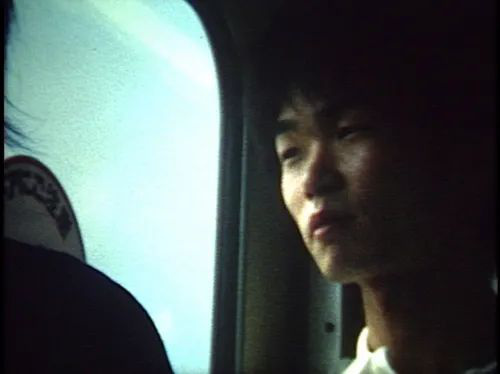
The film uses simple scenes, shots and dialogues to create a youthful agility and ethereal state.
Many young directors like to express the daily state of the characters and downplay the stories. As a result, they often fall into boring records and highlight the theme by some striking dialogues or plots.
Capturing the state of a character requires both talent and skill.
Talent is the creator’s sensibility and sensitivity to life; Skill is the nature and fullness of film language, which seems to be obtained without any effort, but in fact it combines flexible expression and personality.

Ryūsuke Hamaguchi can be said to have this talent and skill.
His films often focus on a dramatic event, depicting the emotional changes and contradictions of the characters.
The story of the film is not promoted by layers of progressive plots, but is slowly peeled off from the hearts of the characters in a long dialogue.
Therefore,Too much dialogue, monotonous scenes and too long time., is Ryūsuke Hamaguchi’s film three important."shortcomings"But they actually provide the audience with a method that is quite close to reality and enters the hearts of the characters.
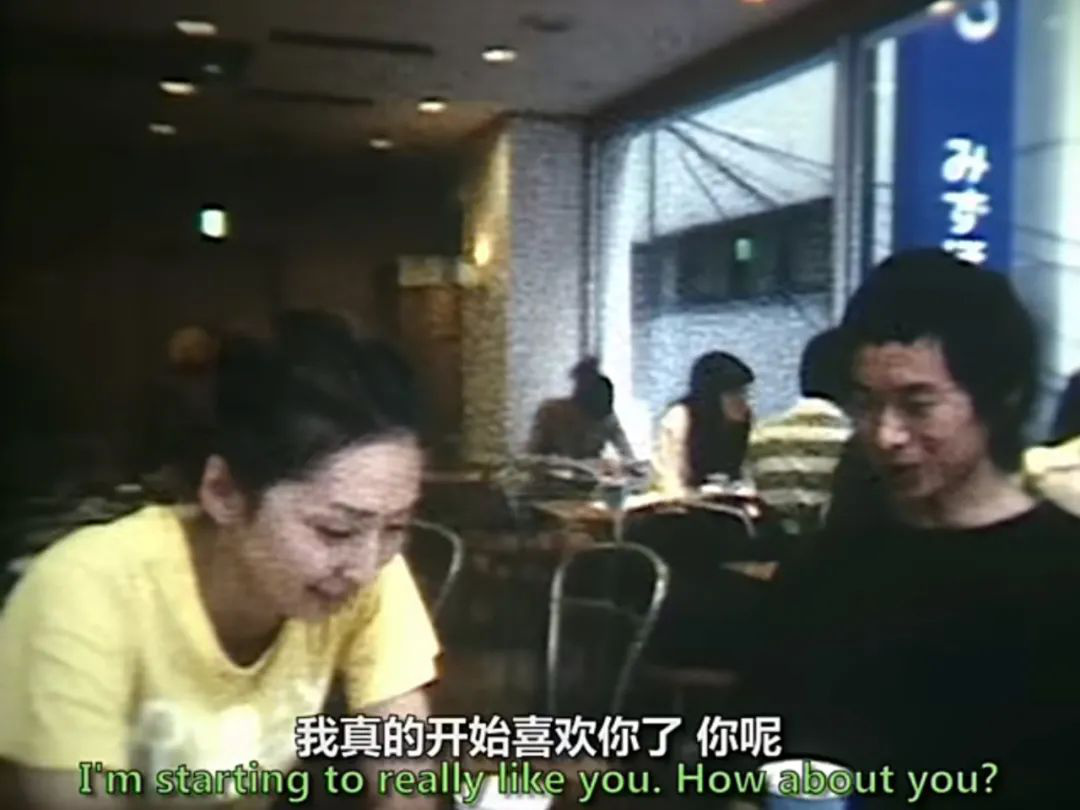
[as if nothing had happened]
Speaking of his own movies, Hamaguchi is often self-deprecating and not good at shooting complex scenes.
In a conversation with Korean director Bong Joon ho, he was asked why he likes to shoot dialogue scenes in cars.
His answer has no "deep meaning", saying that it is done to make the picture dynamic and slightly interesting.
His movies, not only have a long conversation in the car, but also a long conversation in the coffee shop, in the studio, at home … anywhere.
The dialogue is not boring, and Hamaguchi is good at grasping the state of the characters slowly deepening.
Just like a slowly approaching lens, the audience is slowly drawn closer to the characters.
[Day and night]It is Ryūsuke Hamaguchi’s first commercial film in the traditional sense.
This "tradition" is first manifested in the length of time, which does not exceed two hours; Secondly, dialogue plays take place in more scenes, rather than a long dialogue limited to a few scenes;
Finally, the development of the plot depends on events, which is more plot and compact.
The film is adapted from a novel, and what attracts Hamaguchi is its absurd plot-after the woman is abandoned by her boyfriend without saying goodbye, she meets someone who looks almost the same as her boyfriend and falls in love.
Hamaguchi spent two years revising the script, emphasizing the potential swing of the heroine in love.
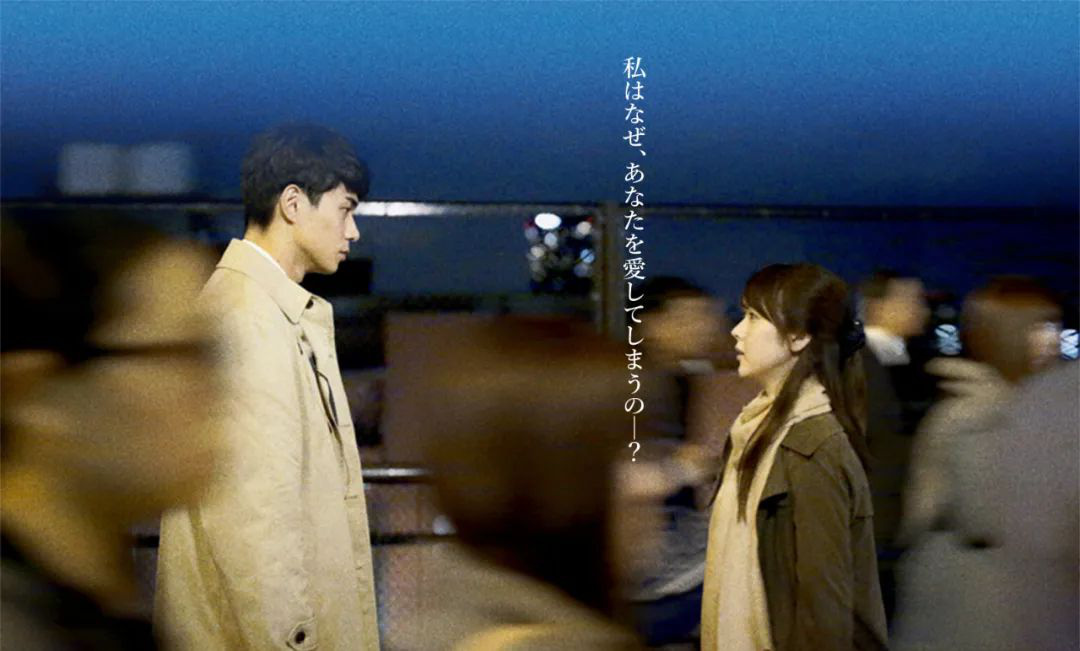
There is no denying that the story of [Day and Night] borders on dog blood:
The woman fell in love with the person who looks exactly like her ex-boyfriend, but after her current boyfriend came back, she chose to go back to him. After some thinking, she chased the person who looks exactly like her ex-boyfriend for reunion.
Hamaguchi’s point is not to describe the loyalty of love, but to use two identical men to cast a veil over love and make it blurred.
In this absurd way, he touched on the real problem-why the trust and loyalty to love are so unstable.
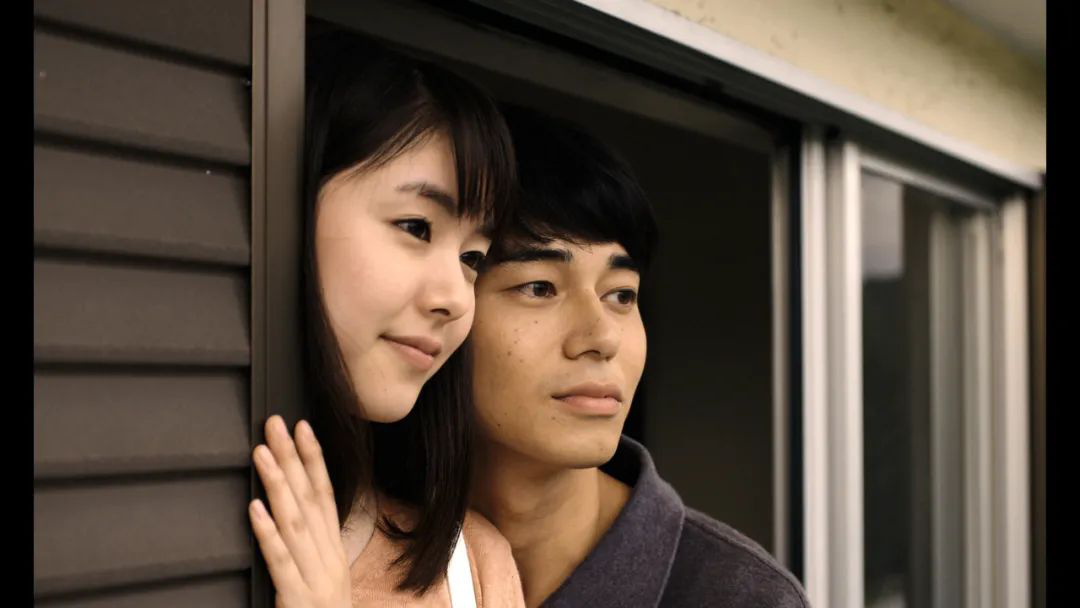
Although Hamaguchi is not good at scheduling complex scenes, he can set off full emotions in simplicity.
The lens of his films is as free and impromptu as a documentary, and there is no violent conflict or tense rhythm in the story. The director’s skill is embodied in amplifying the emotions that are not deeply felt in daily life.
Just like the films of great directors such as Yasujirō Ozu and Hou Mai, they don’t win by bizarre plots or ups and downs, but in the ordinary emotional relationship, so that the audience can get a deep feeling or understand them.

In 1978, Hamaguchi Ryong was born in an ordinary family in Kanagawa Prefecture, Japan.
His father is a civil servant and his mother is a housewife.
Watching movies is just a daily entertainment for their family. Hamaguchi claimed that he was not a fan since he was a child.
He was admitted to the University of Tokyo at the age of 19, majoring in art aesthetics in the Ministry of Arts, and his graduation thesis was written by American directors.John cassavettiHis films laid the foundation for him to become a director.
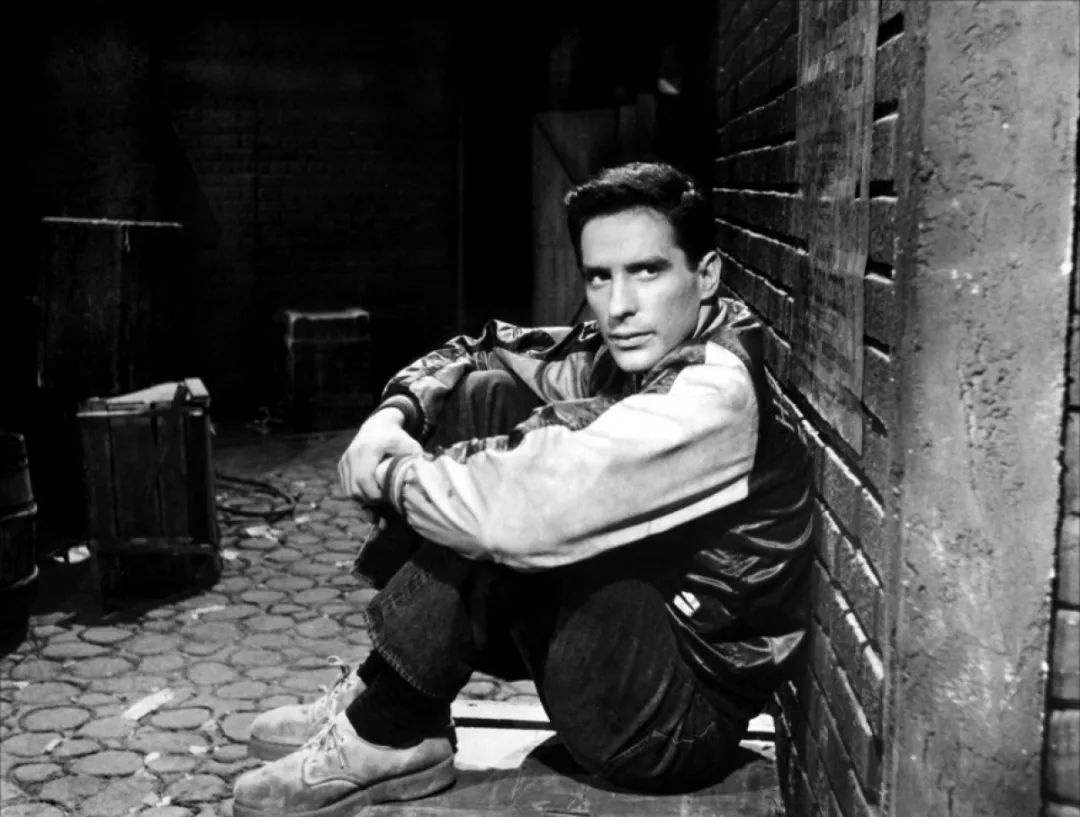
John cassavetti
Cassavetti’s preference for close-ups of characters’ faces has deeply influenced Hamaguchi’s film aesthetics.
His debut [as if nothing had happened] is a psychological monologue composed of a large number of close-ups.
Close-ups, dialogues, documentary shots and improvisationsThese belong to the style of Kassaviti’s films and are also the distinctive features of Hamaguchi’s films.
After graduating from college, Hamaguchi’s career path was not smooth, and he worked as an assistant director for commercial films and TV programs, but he couldn’t fit in.
He thought it was a failed experience, so he applied for Tokyo University of the Arts twice in succession.
Directors Kitano Takeshi and Kiyoshi Kurosawa both teach in this school, which is one of Hamaguchi’s persistent desires to go to Dongyi University for graduate study, as his last expectation to turn around the dilemma at that time.
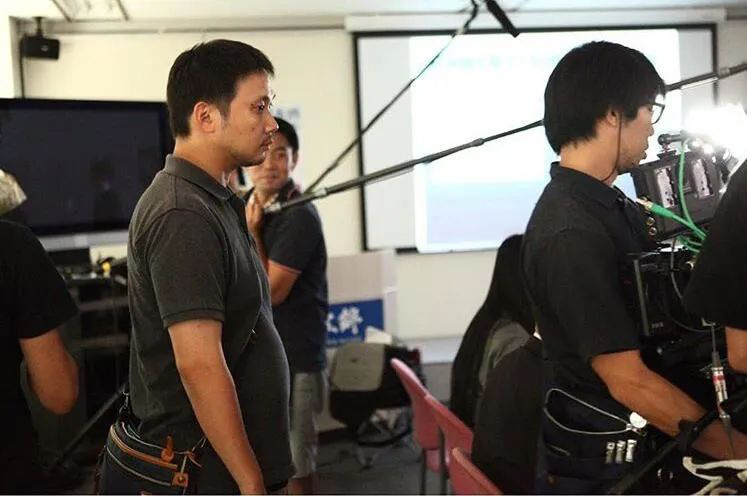
The film major of Dongyi University pays attention to practice.
As a teacher, Kiyoshi Kurosawa once asked students (including Ryūsuke Hamaguchi) to remake Tarkovsky’s science fiction films.[Fly into space]The scene in.
[Passion]It is Hamaguchi’s graduation work, and his style is most influenced by Kassaviti, not his teacher Kiyoshi Kurosawa.
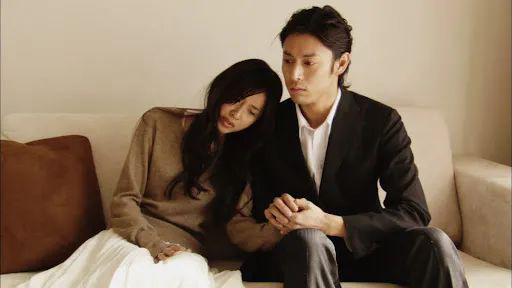
[Passion] is Ryūsuke Hamaguchi’s graduate work at Tokyo University of the Arts.
It took only 2 million yen and 10 days to shoot.
Hamaguchi practiced his creative methods in the future, trying to let actors play as much as possible, and rarely directing performances.
In addition, he learned from French director jean renoir how to make actors read dialogue without emotion and rehearse scripts.
In [driving my car], the hero also used this method when guiding the actors to rehearse the drama. He allows actors to improvise when shooting, and rarely gives subtle guidance to the performance.
Hamaguchi, like Hou Mai, loves to chat with actors.
Hou Mai and the actor had a long talk and entered each other’s living space in order to adjust the script and shoot;
Hamaguchi talked with the actors, letting them read the script at will, observe their reactions and listen to their ideas as a reference for choosing actors, rather than letting them audition for the plot in the script.
When shooting, he will also give the actors more room to improvise.
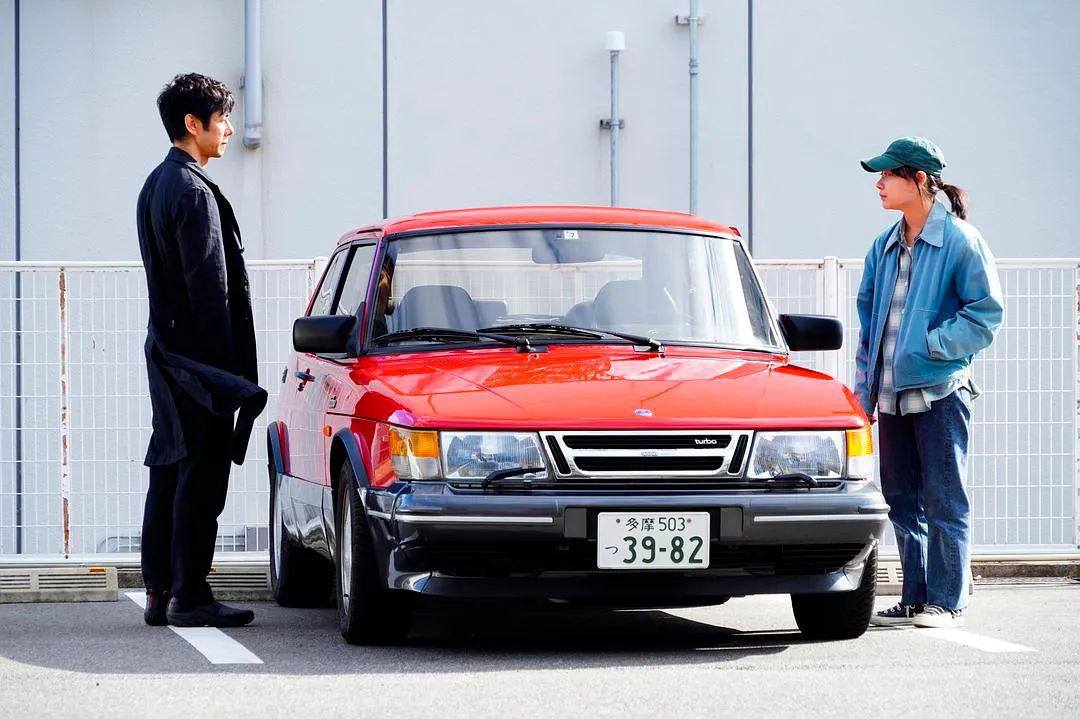
[Driving My Car] is nested with two stories, one is the life of the protagonist in the film, and the other is Chekhov’s drama Uncle Vanya rehearsed by the male host.
However, it is not about whether people and drama are indistinguishable or whether drama is like life, but a life in which reality and drama are completely separated.
The two injured people gradually found their spiritual outlet.
Chance and imbalance
In Ryūsuke Hamaguchi’s films, the most obvious characteristic is.The unbalanced state of the characters, often byAccidental event triggering.
For example, in his [day and night], the sudden disappearance and reappearance of boyfriends are very intriguing, but what Hamaguchi cares about is not why these behaviors happen, but how the hostess responds to them and the unstable relationship between her and her current boyfriend.
In the face of the hostess who came back after leaving, her boyfriend clearly told her that she would never trust her again, and the hostess just gave a gentle "well" and they stared at the distance in silence.
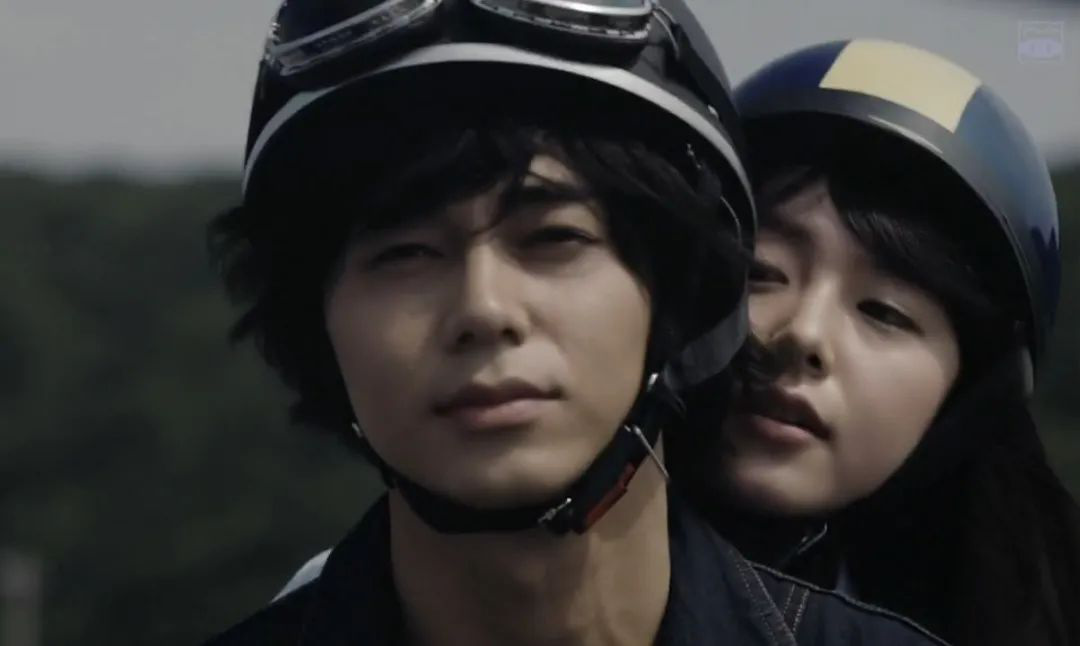
"Day and Night" is a relatively dramatic film by Hamaguchi. Besides, all his current films are dominated by dialogues.
In the dialogue without waves, Hamaguchi actually buried a lot of gunpowder, and only an accidental incident rubbed the gunpowder, and the sparks that arose were enough to cause the characters to have a stress reaction.
The uniqueness of Hamaguchi is to keep the characters out of control.
They always deal with the reality of imbalance in the superficial balance.
There are not a few Japanese directors who like to make dialogues, and Yasujirō Ozu is the master of directing such films.
He made the actors obey his performance and action requirements almost rigidly, prevented them from crossing the "thunder pool" step, and hid their emotions and feelings when they spoke, and their emotions were invisible.
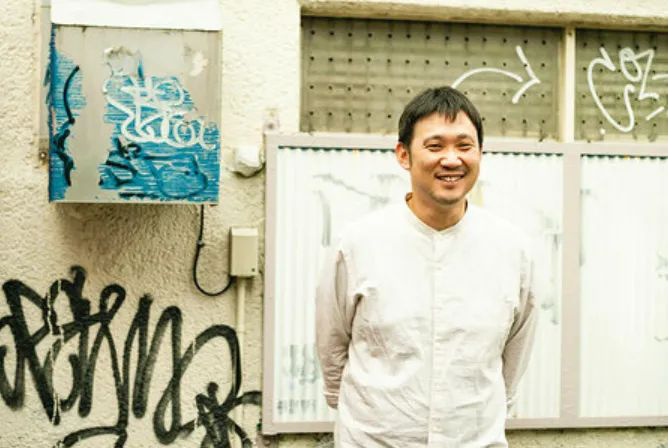
People in Ryūsuke Hamaguchi’s films are similar to each other in their dialogues, but the results are different.
As mentioned above, Hamaguchi is used to letting the actors perform, and slowly finds or controls the rhythm of the performance in the long dialogue. The restraint of the characters is determined by the dialogue itself or the actor’s understanding of the story (to some extent, Hamaguchi has not shown interest in hysterical characters or stories);
Ordinary dialogue often leads to an unstable or lost result, which is different from the stable structure and relationship pursued by Ozu.
We can find Hamaguchi’s interest in contingency and instability in the relationship between characters from his recent three well-received films.
Of course, this interest didn’t start with these three films-[happy hour] [accident and imagination] [driving my car].
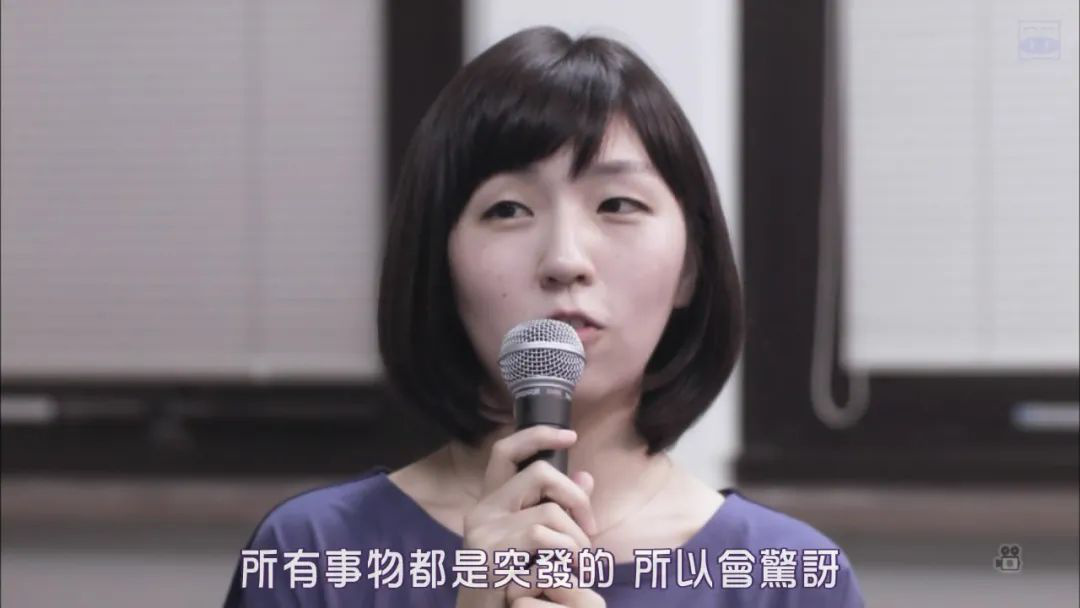
[happy hour]
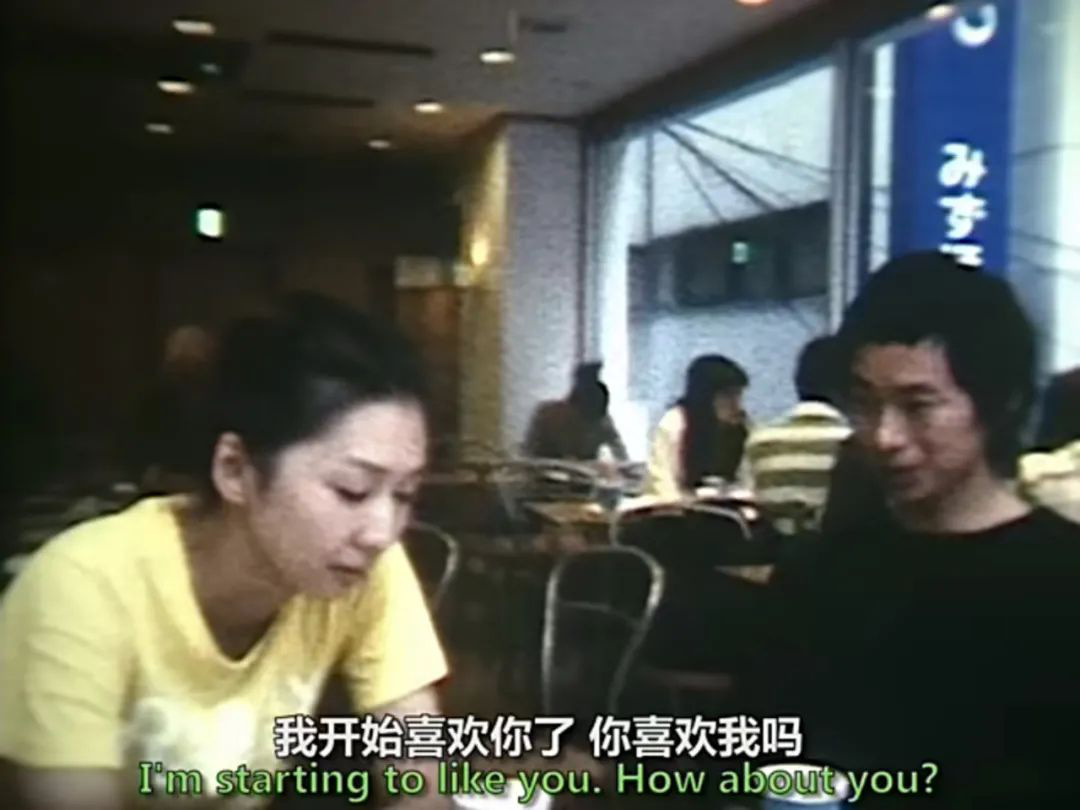
In the first novel [as if nothing had happened], Hamaguchi was pondering coincidence-the boy confessed to the girl, and the other party just liked him;
Another boy that a girl likes has no interest in her. Two years later, the girl and her friend who they met by chance came together.
It is language that connects and fills these plots, not special events. Language acts as a medium for the audience to understand the characters in Hamaguchi’s films.
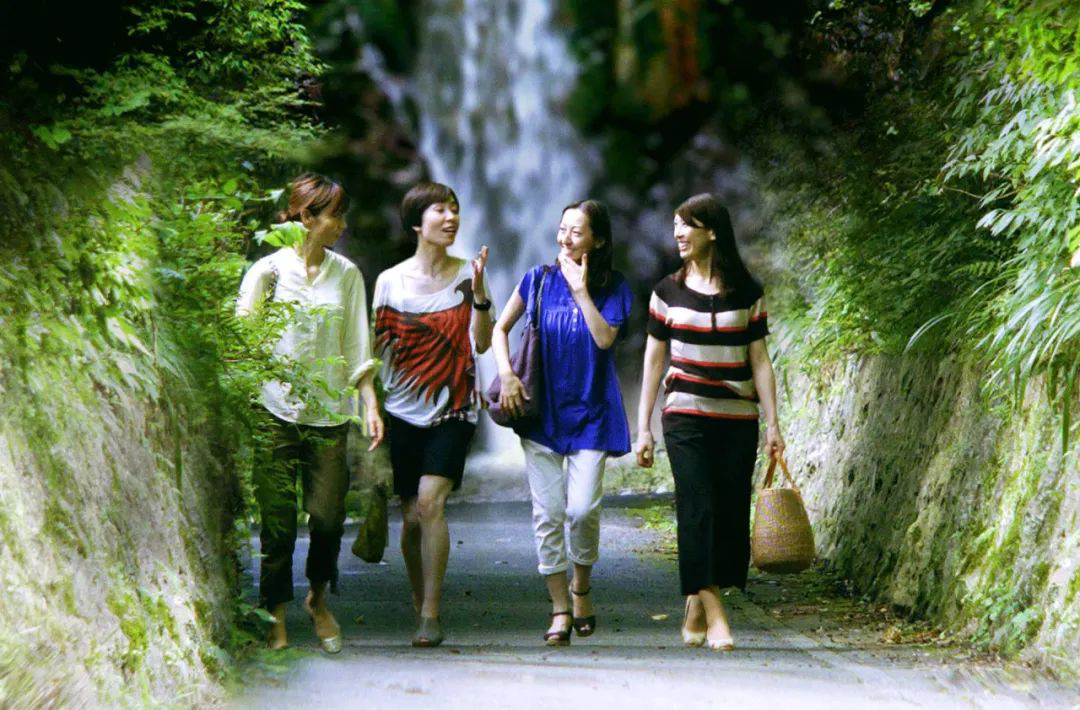
The five-hour [Happy Hour] is Hamaguchi’s most laissez-faire creation, inviting non-professional actors to star in it, and prolonging the dialogue time in a single scene.
The four female protagonists are all in unstable or disintegrated family relationships, but the four hide from each other and still meet and travel as usual.
Hamaguchi used a workshop on body balance as a way to find the shift of the character’s center of gravity, that is, the original state imbalance.
After the game in the workshop, four women owners and artists (the husband of one of the women owners) got together to share their experiences.
The frank facts in language (cheating, divorce, neglected feelings) stimulate the mood of people in different situations.
The artist’s wife feels that she has gained attention in the game, which is exactly what she and her husband lack in life.
The divorced woman had an argument with another woman who wanted to divorce her husband because of her infidelity.
The four originally friendly people split up. Hamaguchi has repeatedly broken the balance of the relationship between characters through language, and it is often out of some contingency.
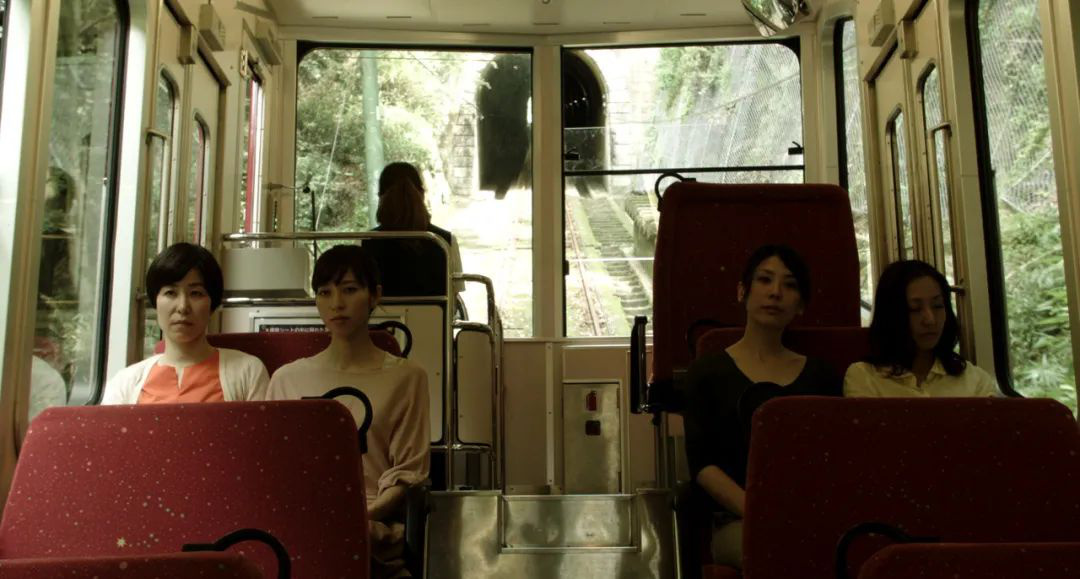
[Accidental and Imagination] is an empirical study that consists of three short films, and the dialogue is simple and difficult.
After reading it, I always feel that this is nothing, just two people chatting in the car, sitting at home, sitting in the shop and on the road. There is no complicated scheduling, but it is full of the aftertaste of life.
This aftertaste can only be understood from such a story, which has the power of simplicity.
The three groups of characters appearing in these three short films are all in an accidental situation, suffering from instability or loss.
Especially the third group of characters is the most obvious, which already has surreal color.
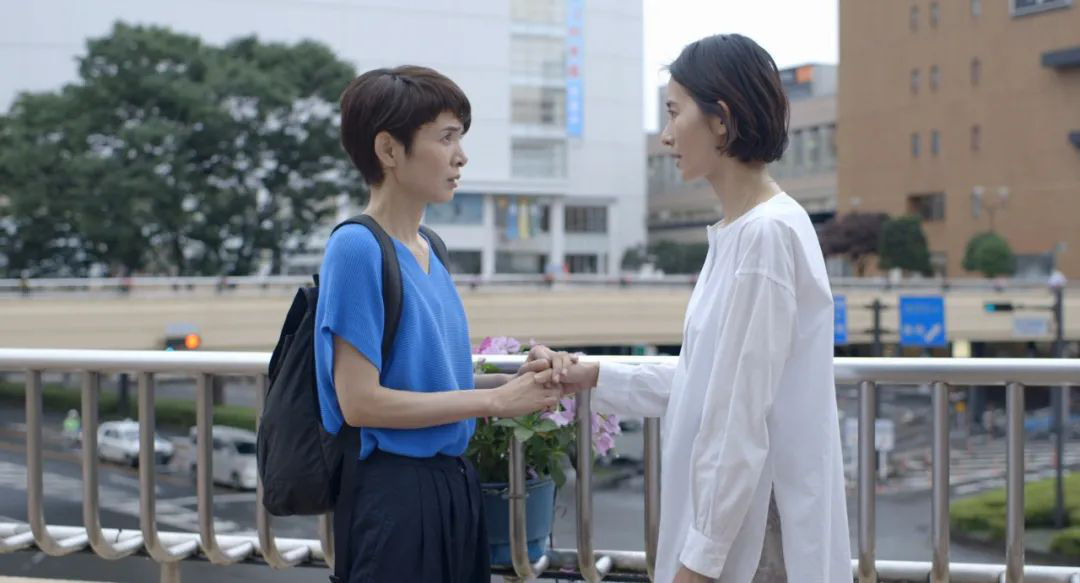
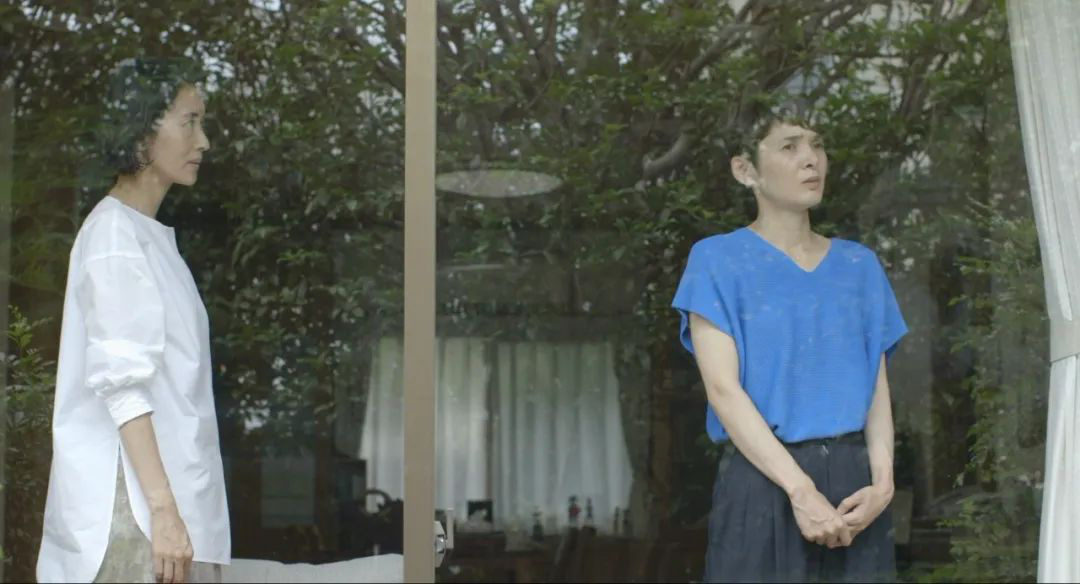
Two strangers looked at each other in the elevator, thinking that they were old classmates, so they both knew each other’s names by default and talked about the past.
Everything is like a very natural nostalgia.
But when one of them wanted to ask the other person’s name apologetically, he found that the other person was not his classmate at all.
When they say goodbye, they simply regard each other as old friends they once cared about and solemnly say what they didn’t say that year. Put an end to the past.
This accidental meeting created an unexpected surprise.
In [driving my car], the man is a dramatic actor and maintains a harmonious relationship with his wife who works in a TV station.
When the man found out that his wife was having an affair, he buried the secret in his heart and remained respectful to his wife.
When his wife solemnly told him one day that he had something important to discuss with him when he came back in the evening, he felt scared and was afraid to go home.
When he got home, he found his wife died of accidental cerebral hemorrhage.
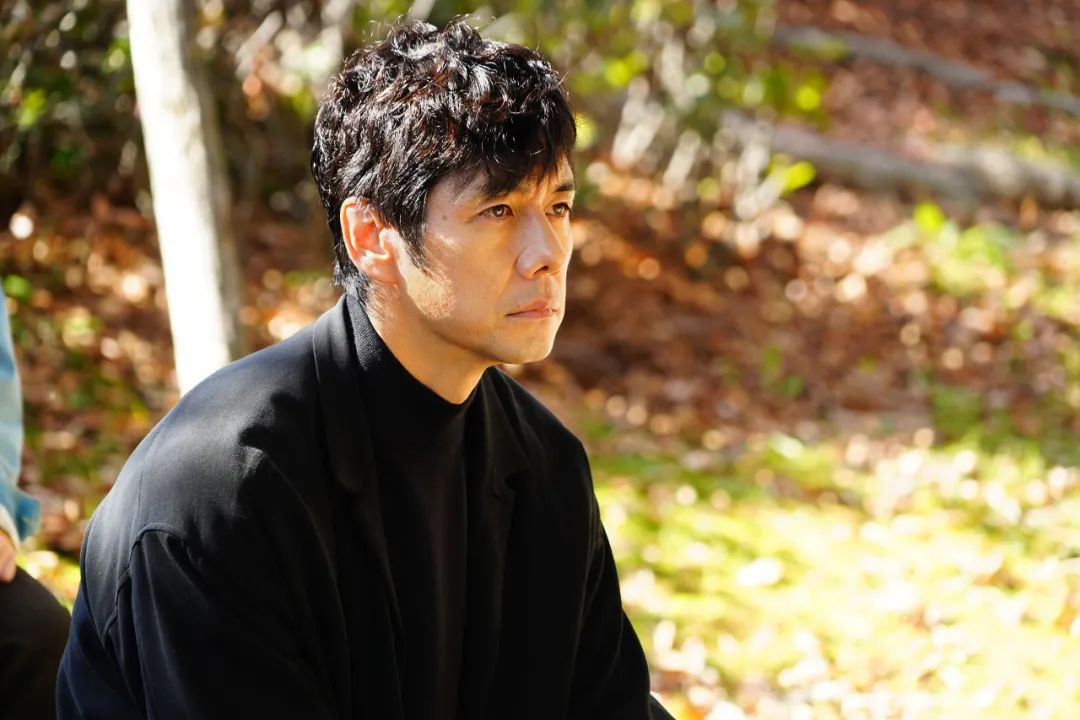
On the one hand, the man feels remorse, on the other hand, he is still worried about whether his wife still loves himself and wants to say something to him.
Although he still works and lives decently, he has actually trapped himself in the past.
As a young woman driver, she also has an unbearable past, which is the shadow left by her mother.
She never came out.
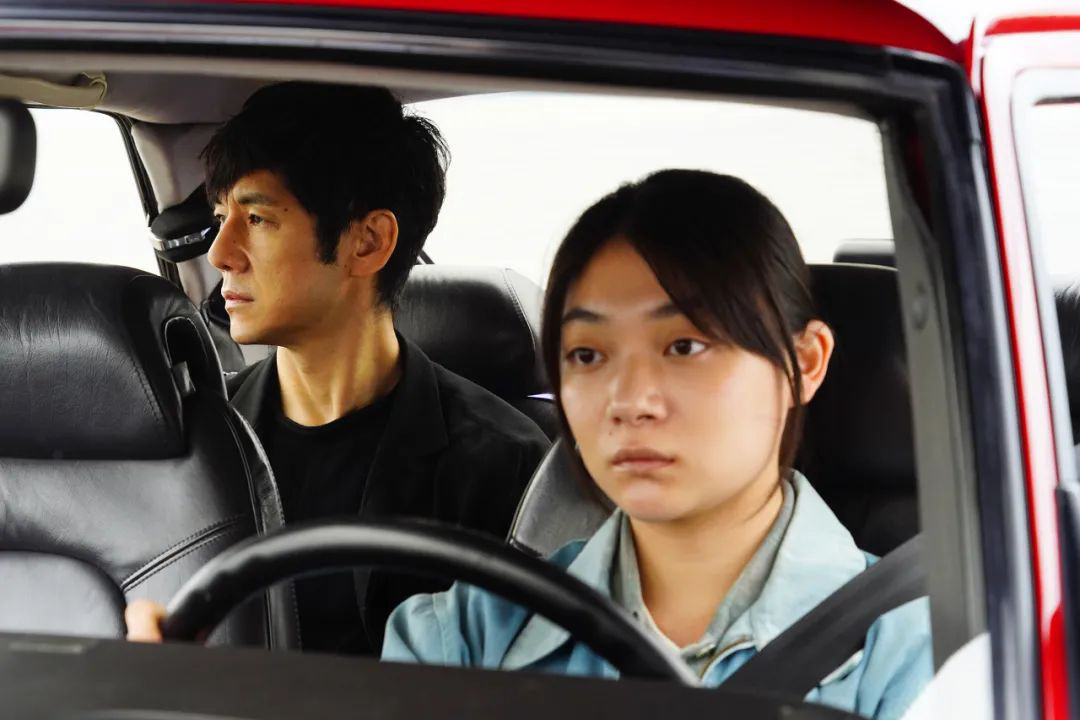
[Driving my car] was wrapped in a feeling of loss from beginning to end.
Two lost people, one belonging to the middle class, still maintain an extremely decent state every day, and the other is the bottom. The lost life makes her look extremely lonely and wraps herself in sad emotions.
At the end of the film, the man went to the place where the woman was a child. After a long time together, they opened each other’s hearts and said goodbye to the past.
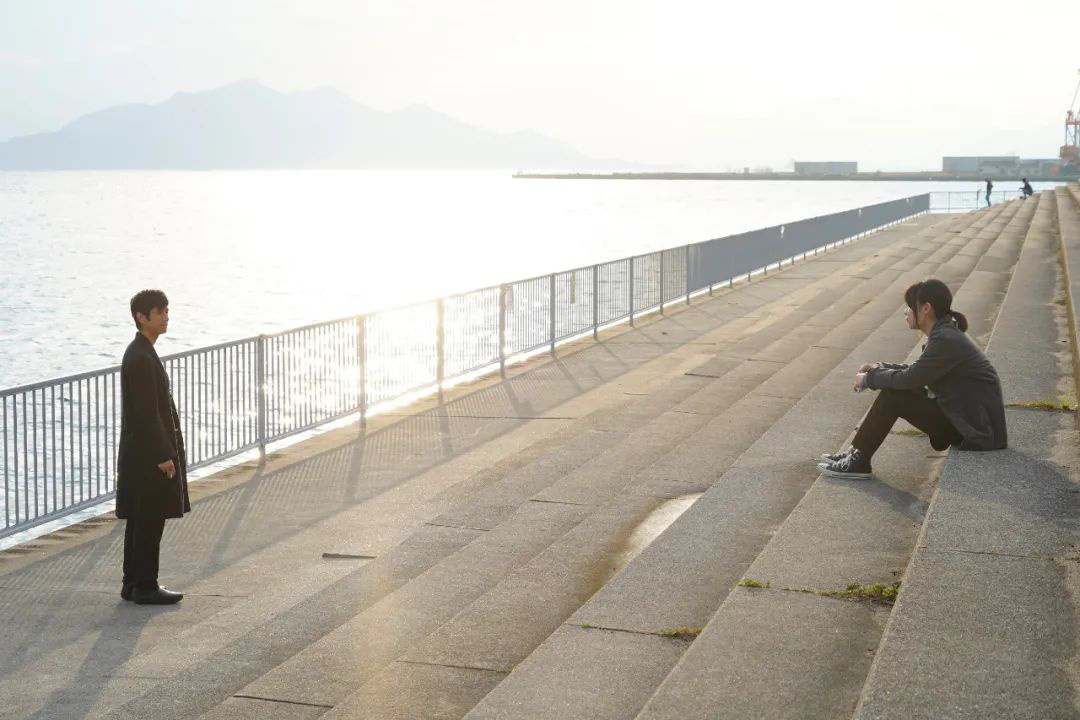
Hamaguchi’s films are full of similar accidents and emotions.
He is used to exploring the hidden unstable factors under the surface of daily peace. These factors often affect our life and emotional choices in unexpected ways.
Among contemporary directors, Hamaguchi has admirable delicacy and can always tell the most complicated emotions with the most stable stories.
From his films, we can feel a special power, which is both unpredictable and empathetic.

Maybe that’s why he is liked.
In the future, Hamaguchi may be the director with the greatest master potential after Hirokazu Koreeda.
