Source:Shadow detective(ID:ttyingtan)
Author: big cousin
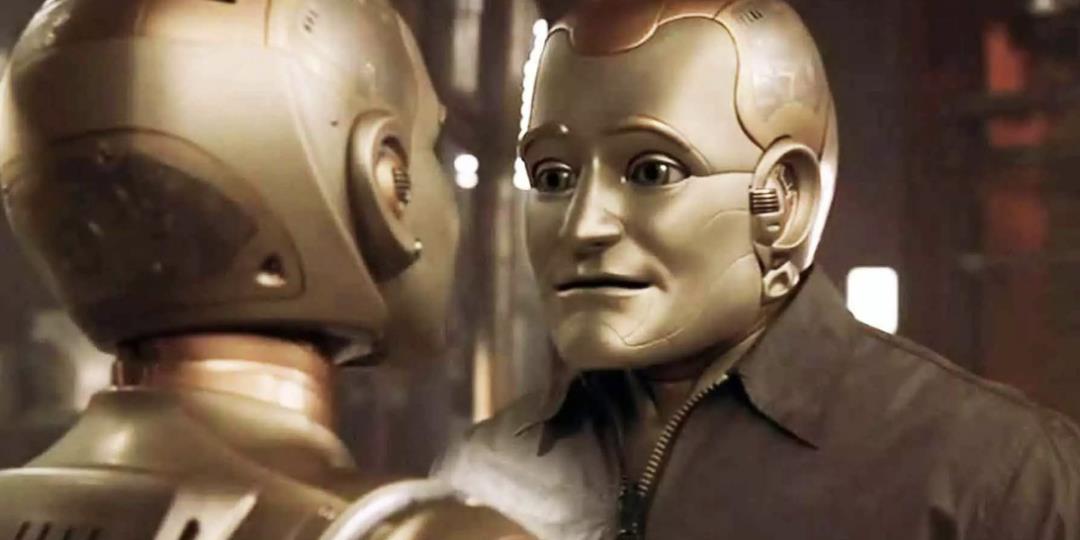
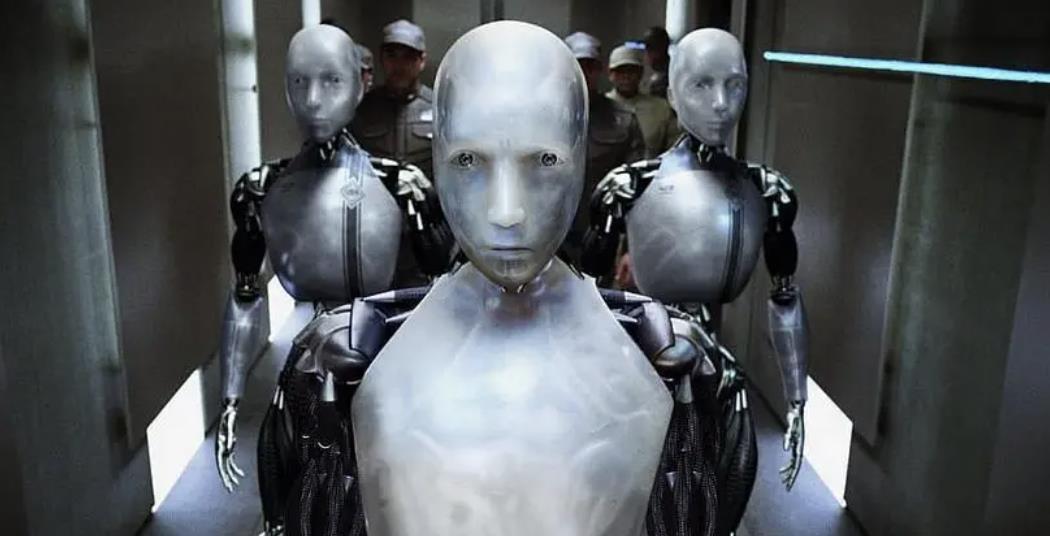
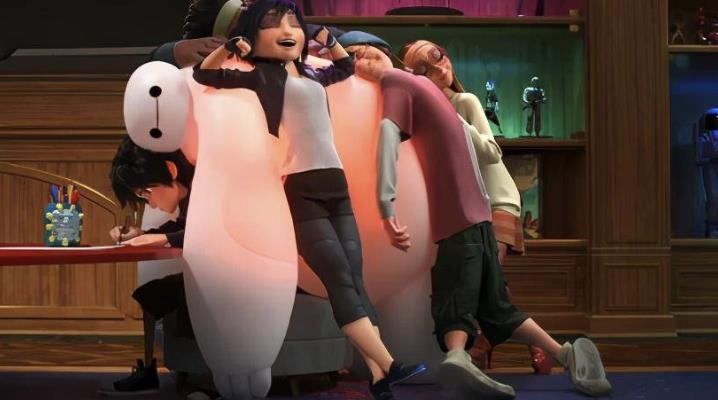
Recently, there has been a hot topic:

Image from Douban
They are all working people. Who doesn’t have two faces when going to work?
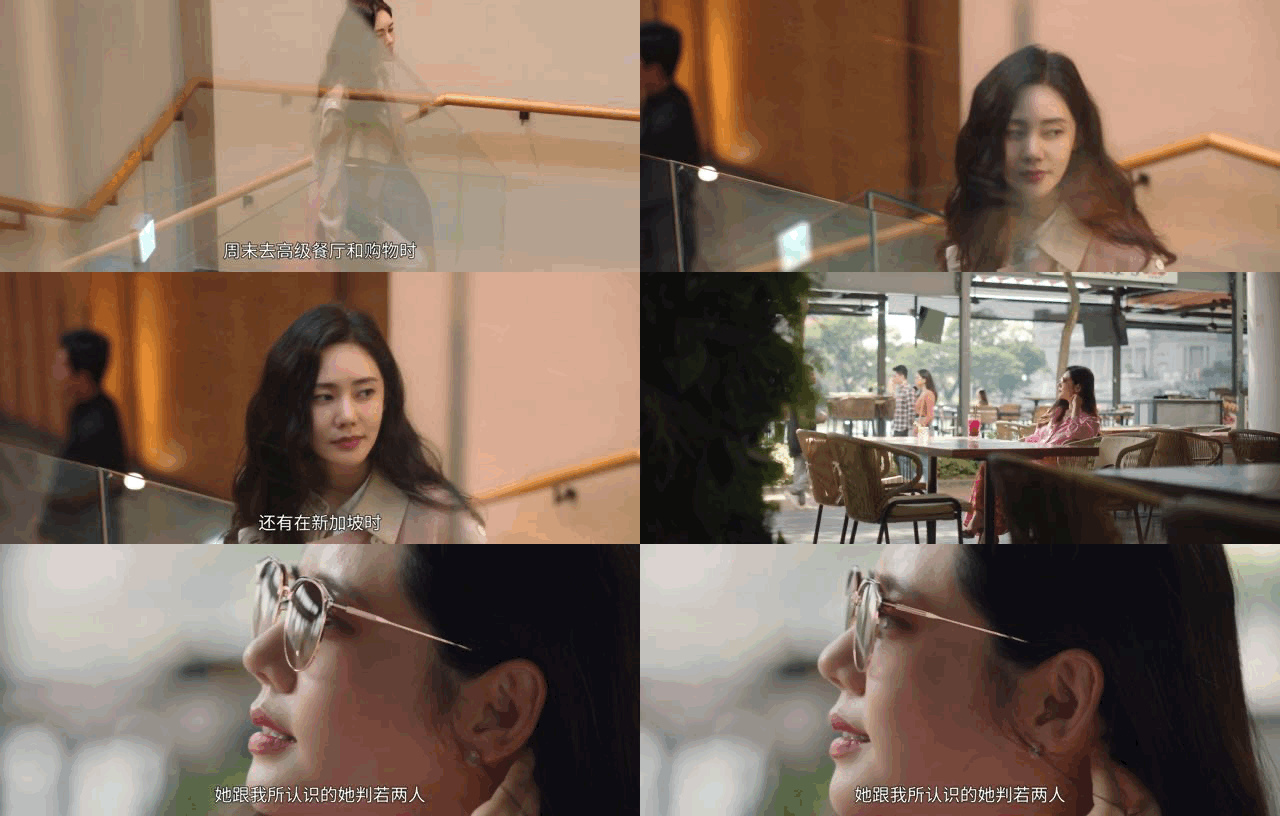
At work.
She is a humble social animal, with black-rimmed glasses, the same clothes forever, and a marginal person.
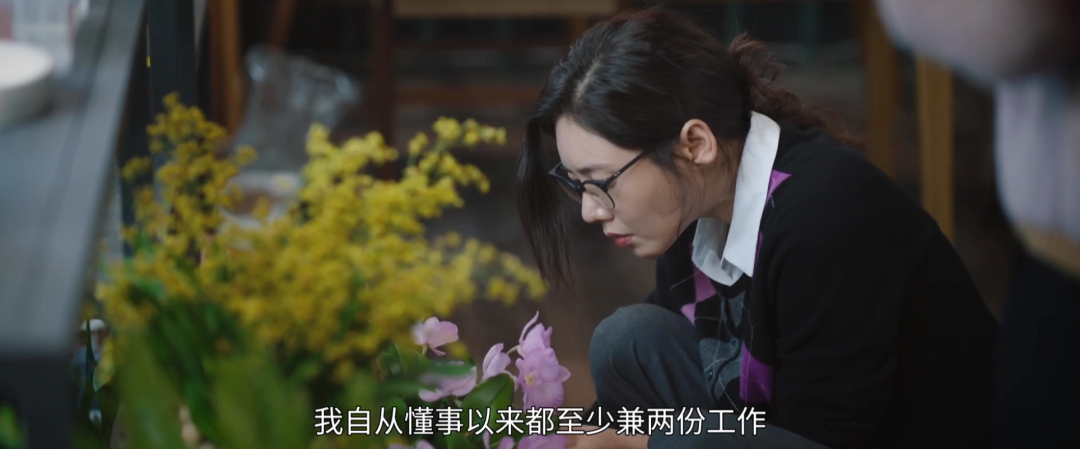
After work.
She transformed herself into Bai Fumei, with exquisite makeup and confident smile, and walked with the wind.
High-end hotel regulars, luxury goods piled up all over the house, and even more, they got 70 billion yuan by their ability.
Senior bgm: I’m back in Lin Pinru! ! !
This is not a proper winner in life?
It’s just that her double life is a bit risky, and she went offline before an episode arrived-
What is one’s greatest regret? People are dead, and the money is not spent.
Little ladies
Little Women
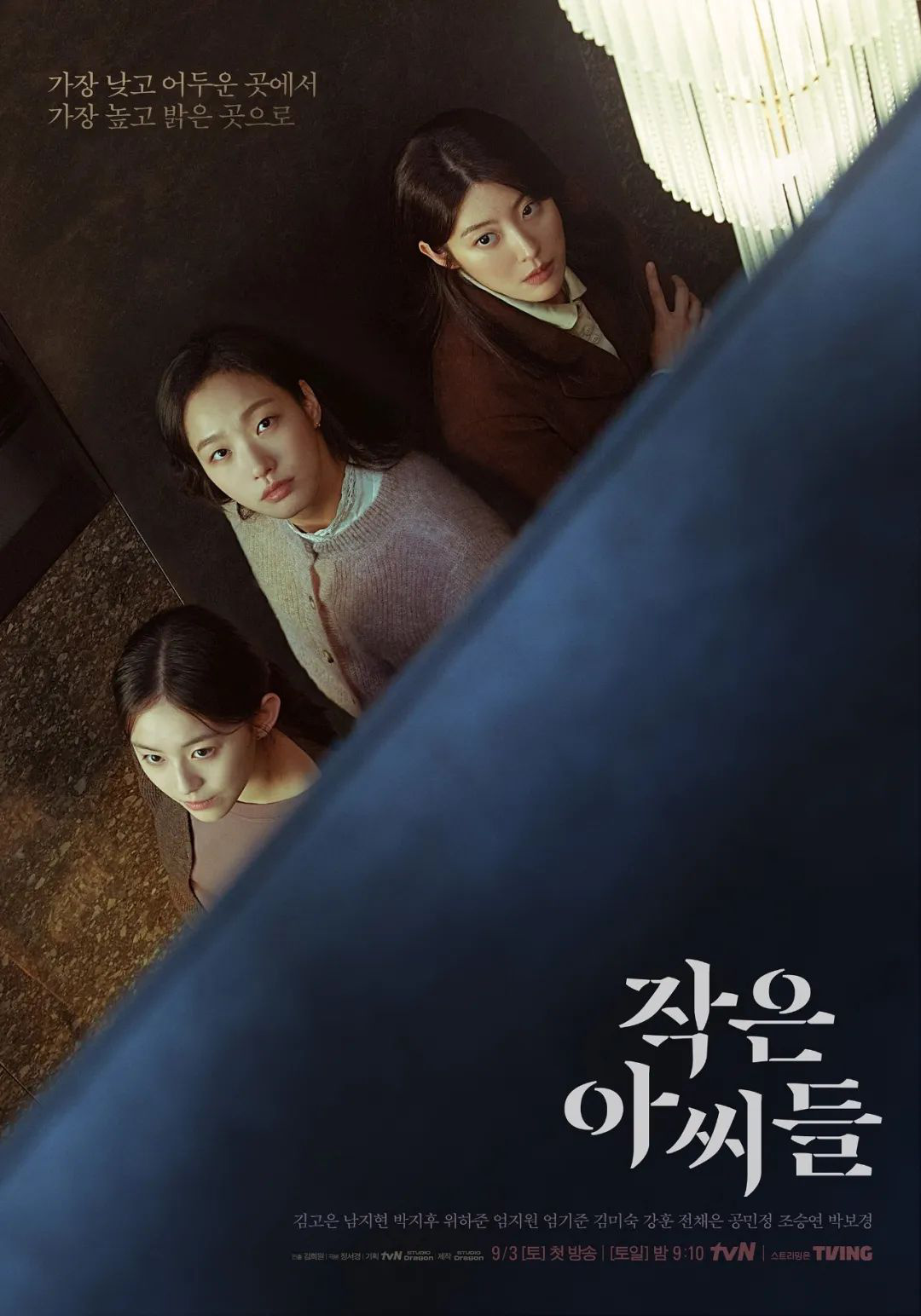
"Little Ladies" can be said to be one of the most anticipated Korean dramas in September.
First of all, the production team is very solid.
Three women created and directed by Jin Xiyuan.(Vincenzo, Flower of Money), screenwriter Seo-Gyeong Jeong([Miss] [Resolution to Break Up]), production designer Liu Chengxi([Miss]).
The director is good at shooting money and desire, the latter two are Park Chan-wook’s imperial uses, and he has always been good at creating mysterious and dangerous female characters.
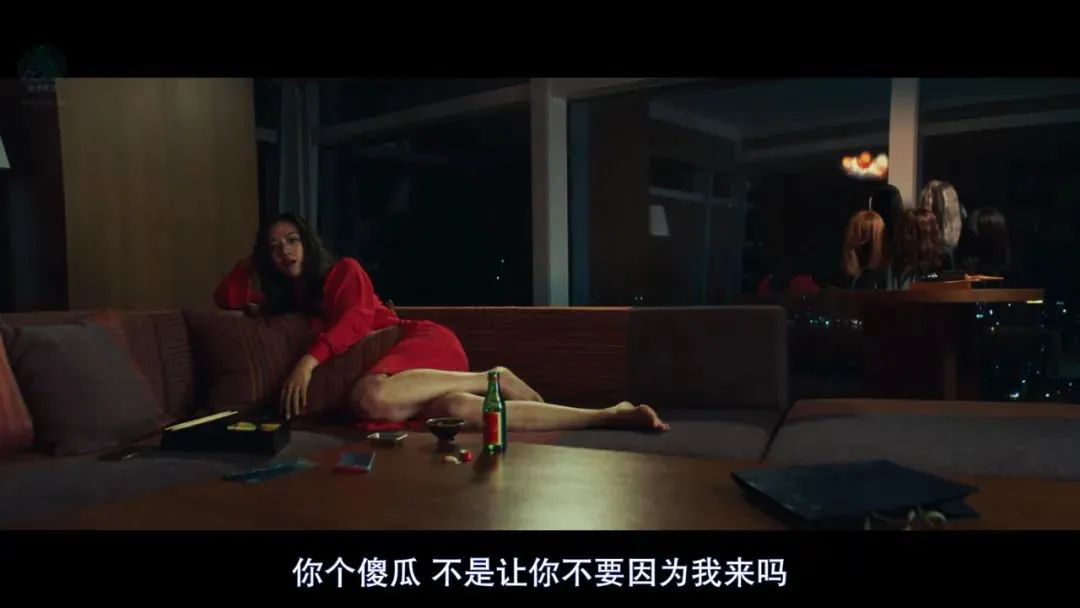
[determination to break up]
The cast is also very luxurious, and the two gods bring a new look.
Kim Go Eun.
The actor of Zhongwu Road made his debut, won the Newcomer Award with a large-scale [Enjiao], and then went out of the circle with the fire of the little bride in Lonely and Brilliant God: Ghosts.
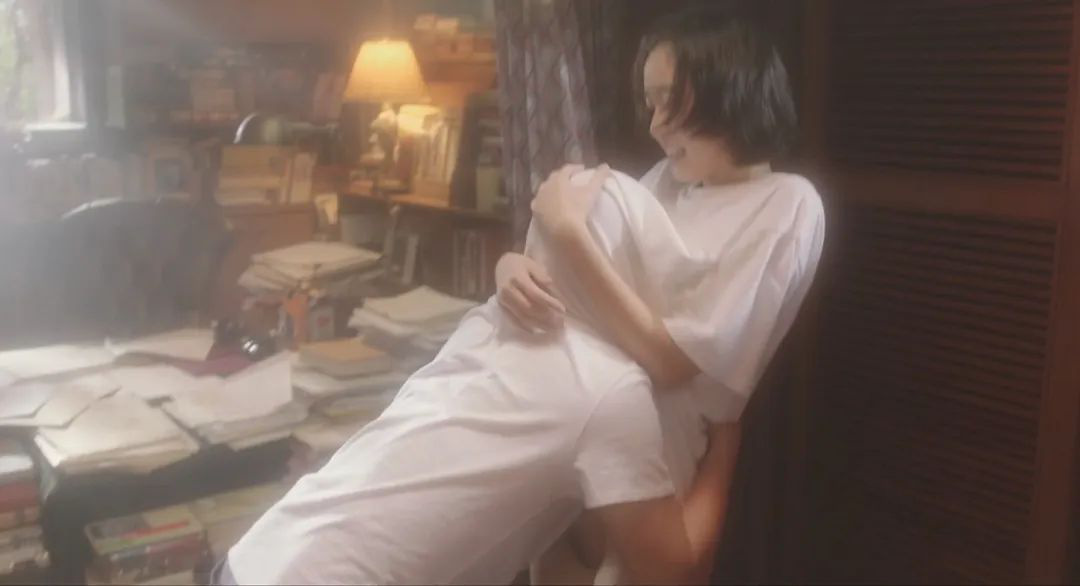
[Enjiao] Screenshot
There are also two main characters, Nam Ji Hyun (365: A Year of Reversing Fate) and Park Chih-hou (Zombie Campus).
The supporting groups are all familiar faces, including Wei Hejun (Squid Game, Huang Junhao), Yan Jijun (Top Floor, Zhu Dantai) and Ji-won Uhm ([Su Yuan]’ s mother, Meixi).
Guest actors include Choo Ja Hyun, Song Joong Ki and Wu Zhengshi.
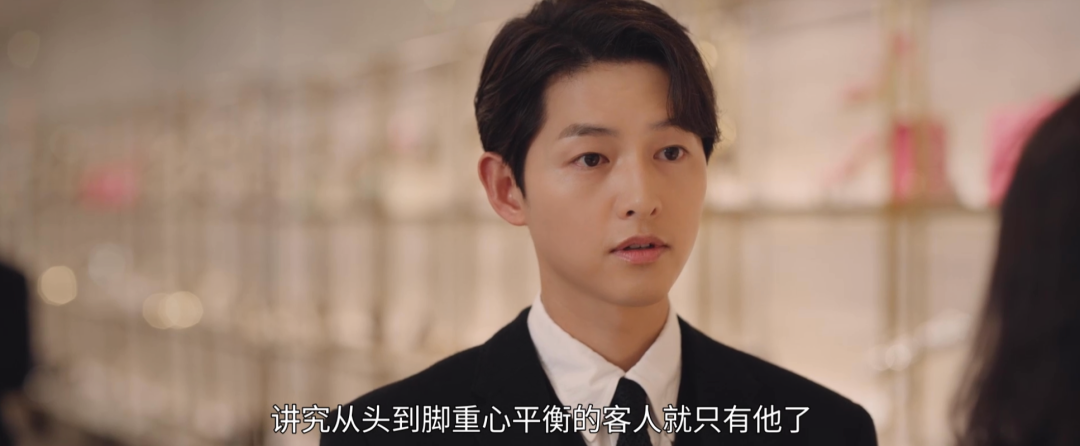
Song Joong Ki plays a clerk in a luxury store.
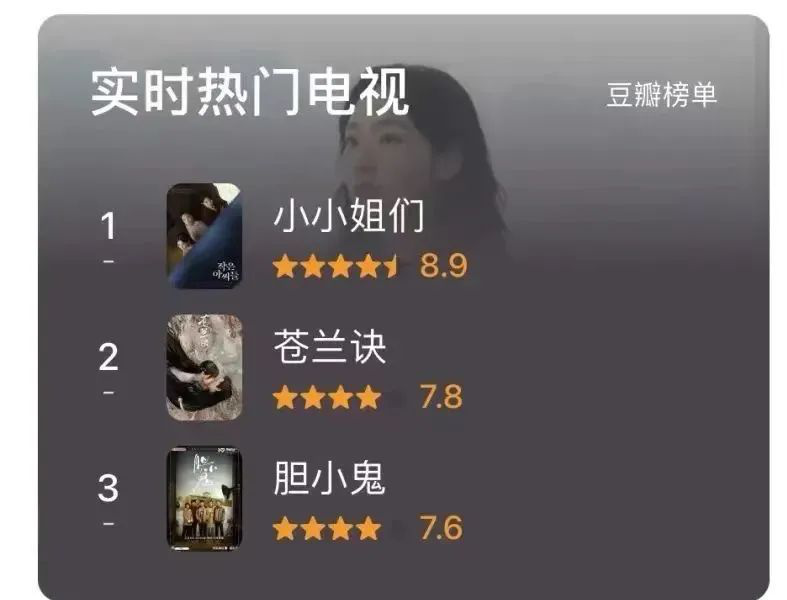
It is precisely because of this immortal lineup that the real-time ratings of the broadcast broke 10 and entered the tvN premiere ratings list in one fell swoop.
China also rushed to Douban real-time popular TV Top1, with a score of 8.9.
The heat has come. What’s the content?
My best friend committed suicide and left me 2 billion.
The story begins with three sisters who are "unlucky at home".
My father lost his family in all kinds of tricks.
MLM, gambling, investment, stocks … I owe a lot of debts, and I have gone abroad.
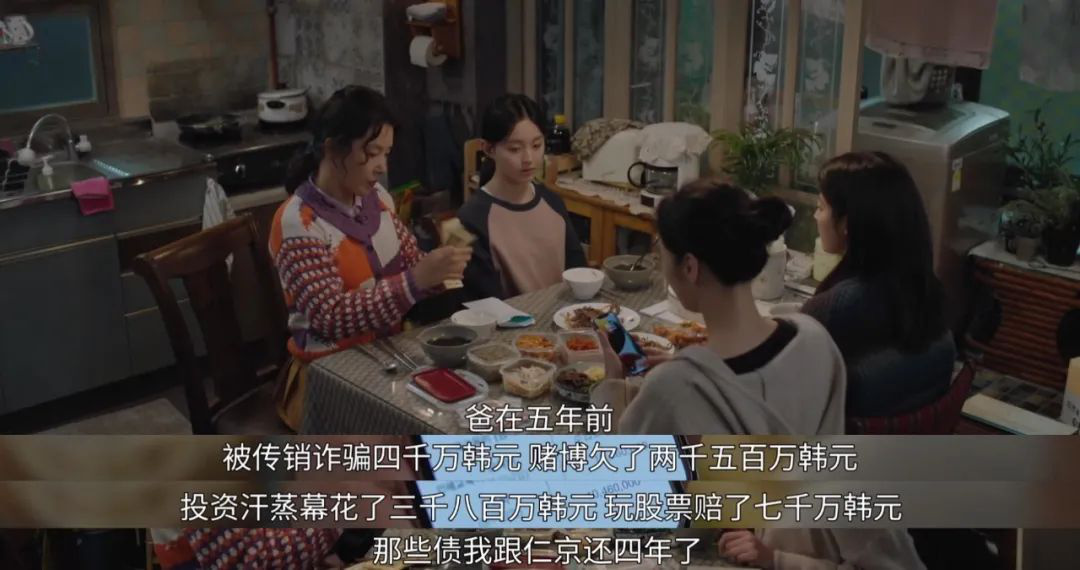
My own mother is even more unreliable.
The two sisters worked hard to save money for a long time, hoping to realize their little sister’s birthday wish-to study and travel.
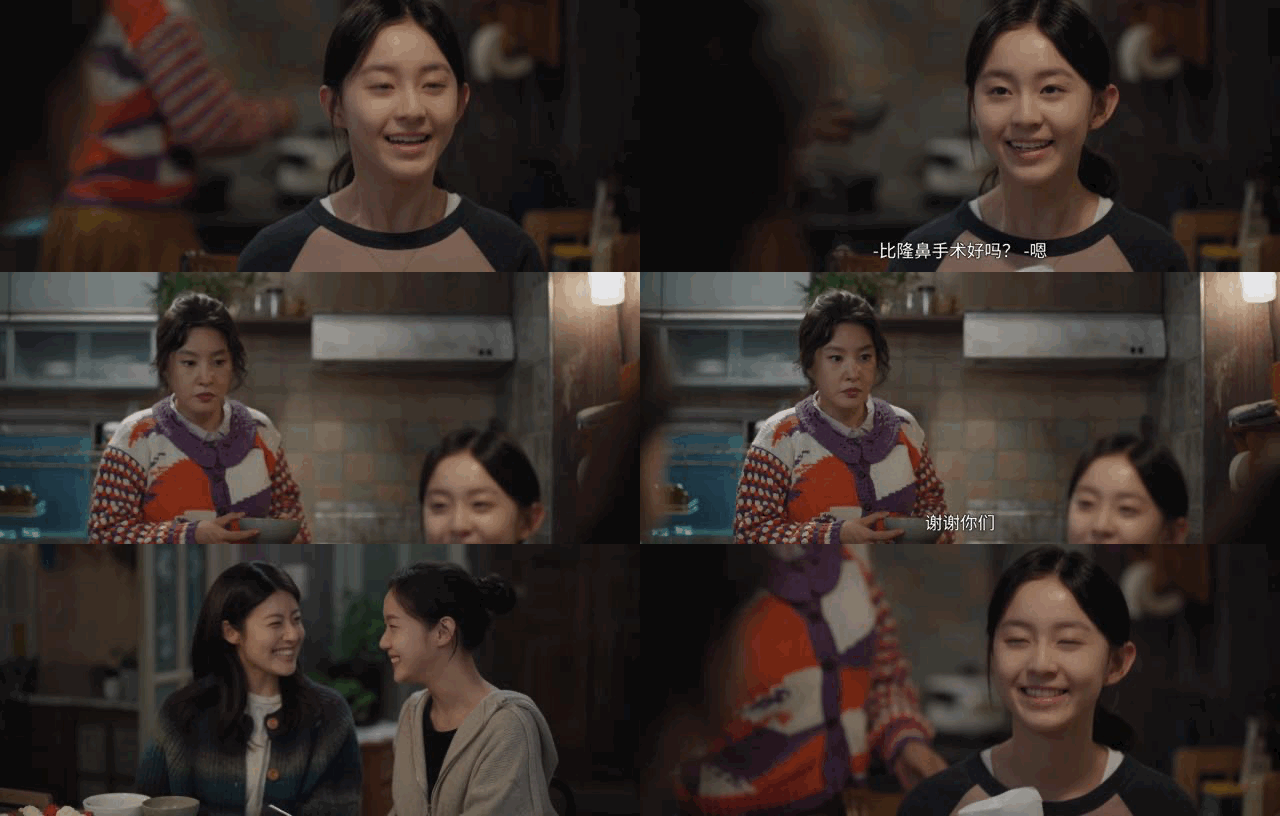
As a result, the three sisters were only happy for a short time and were hit again.
My mother secretly put on makeup in the middle of the night, stole luggage, stole money, and left only a letter.
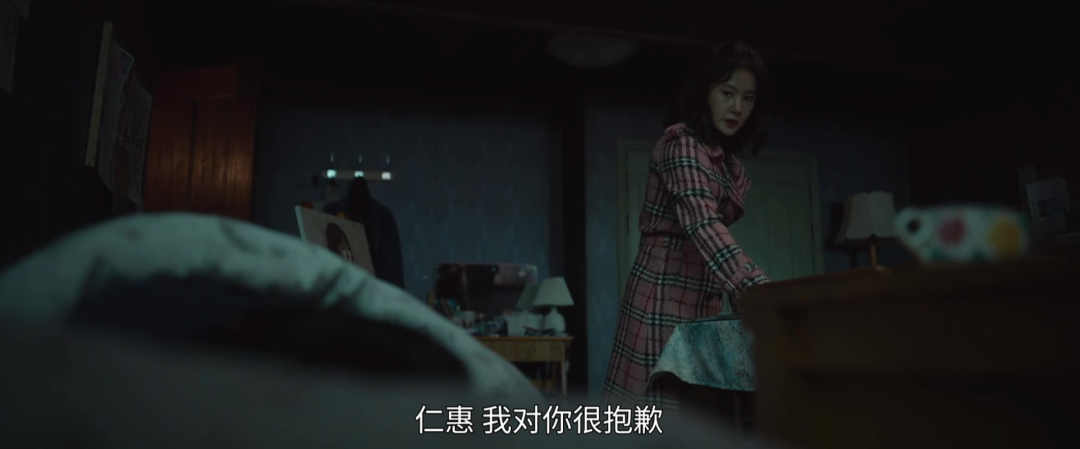
Some people in the world don’t deserve to be parents, but their parents are such people.
Poor family, unreliable parents, letDajie Renzhu(Kim Go Eun) shouldered the burden of family early.
It also made her obsessed with money and even took shortcuts to marry the rich.
Be cheated and divorced without any suspense.
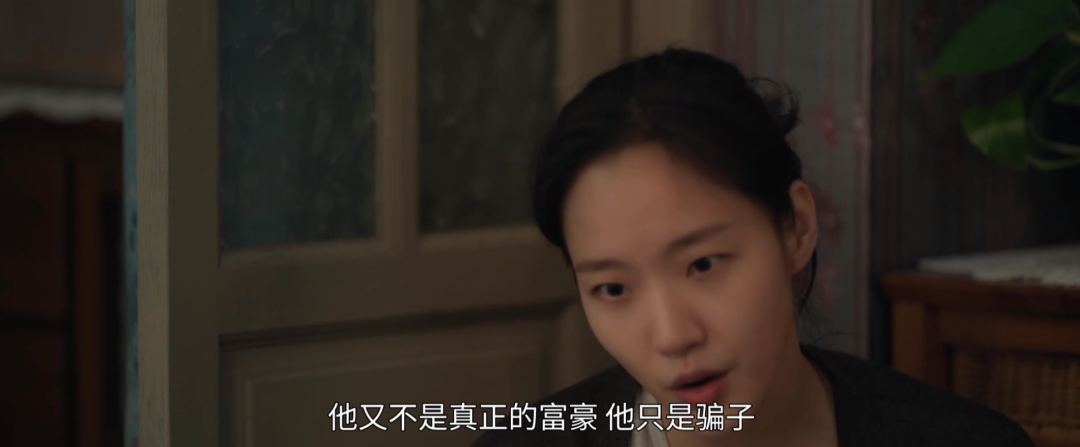
The work situation is not good either. She is a small accountant of a big consortium.
The consortium is very realistic, only looking at birth and education. Renzhu was born in humble background, with a shallow education, divorced and ignorant of the world, and was naturally marginalized and excluded.
She passively accepted all the sufferings brought by poverty and had no room to fight back.
Fortunately, there is a similar person here, another marginal person, Chen Huaying (Choo Ja Hyun), and they naturally become friends.
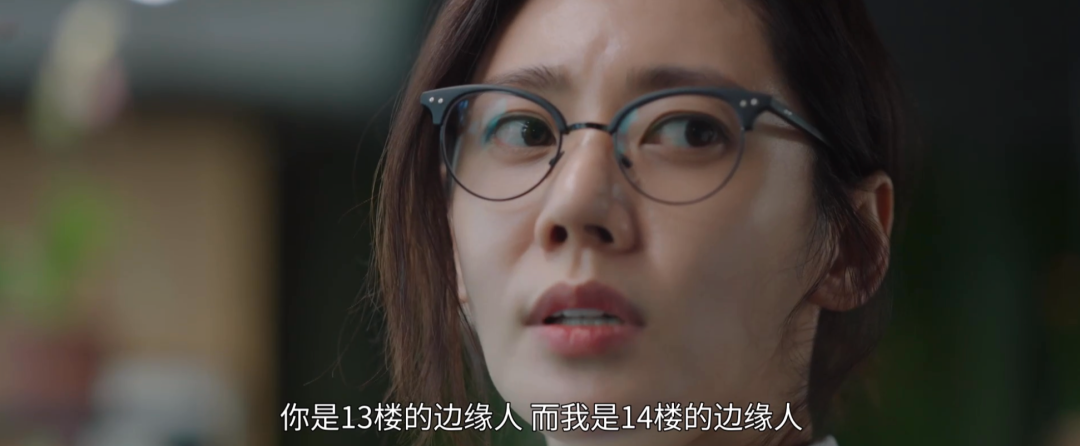
Hua Ying is the mysterious two-faced man mentioned at the beginning of the article.
Although they are both marginal people, Huaying has strong working ability and is trusted by company representatives.
She’s like in-ju’s life mentor. Tell her something at work-
Accountants should not wear A goods into the company, which will make the company feel that you have neither money nor money worship, resulting in distrust.
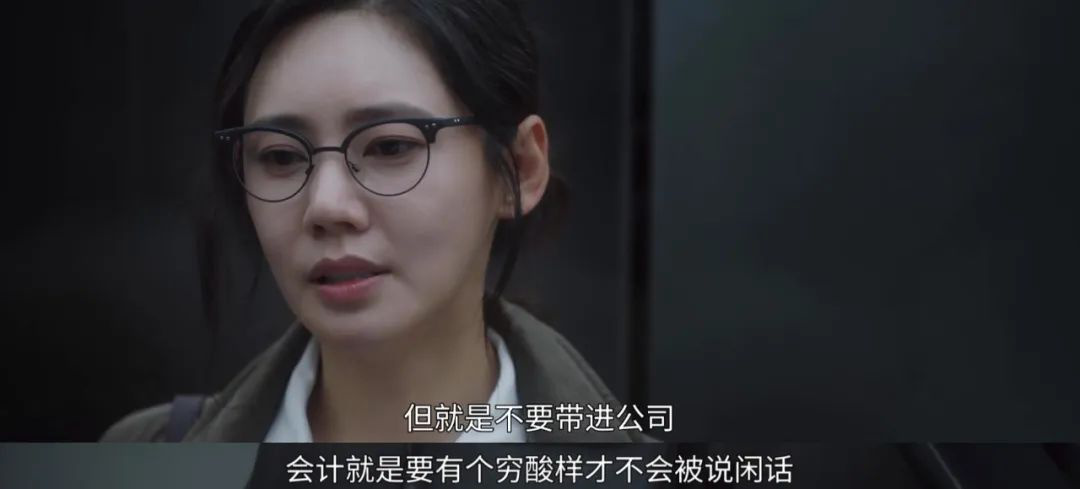
Give the black material to those people who exclude her from Renzhu Company and tell her-
When others ridicule you, think about the ugly things they have done and make sure that you can laugh at any time.
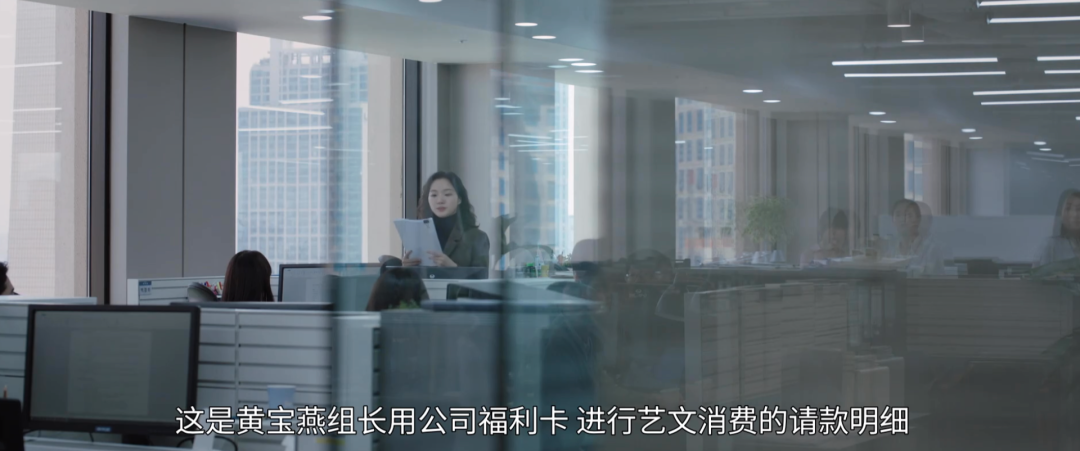
I also took her to start a business together to earn money and design and develop accounting management procedures.
Because I want to register abroad, the documents are all in English.
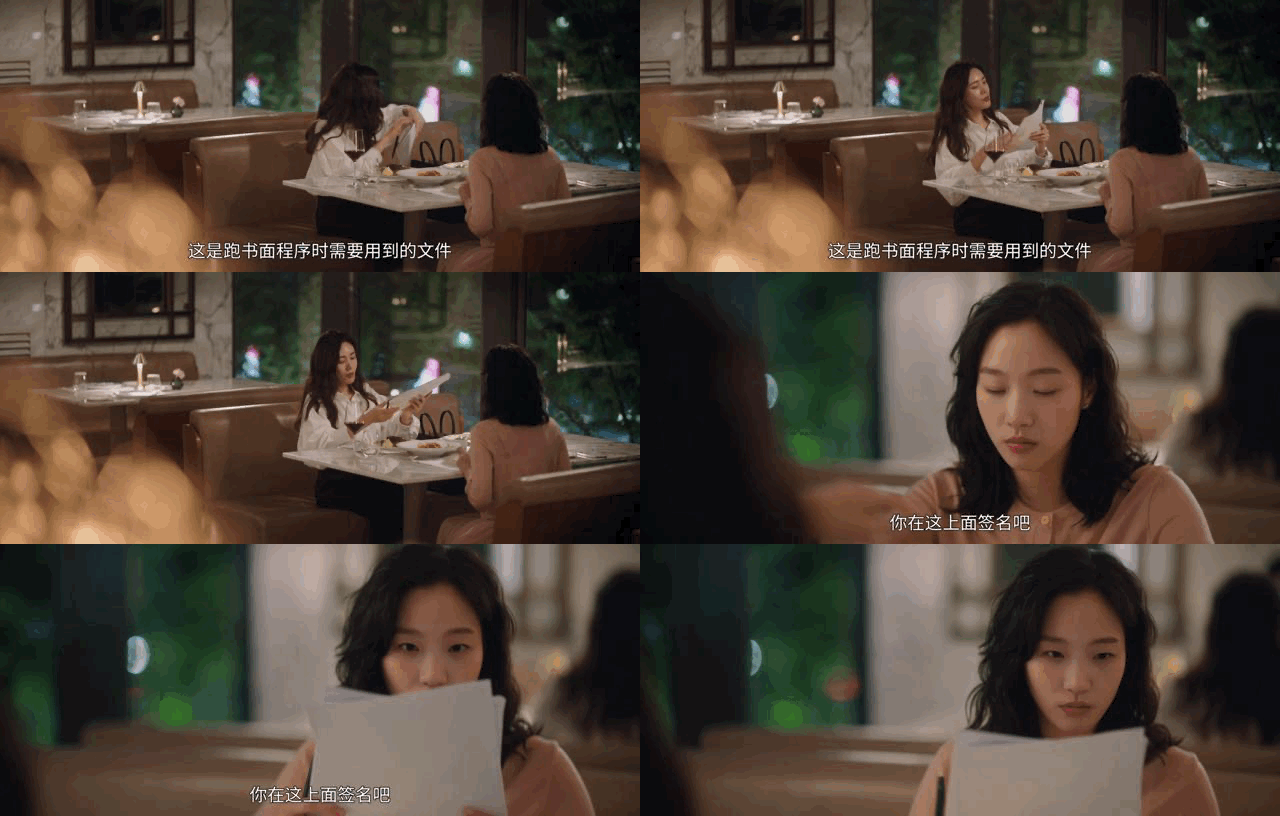
It also provided Renzhu with a new idea of getting rich-sending her 2 billion cash directly.
Rich people are unreliable and have to be girlfriends. (Where can I get such a girlfriend? )
I thought it was a Korean version of Ode to Joy, girls help girls.
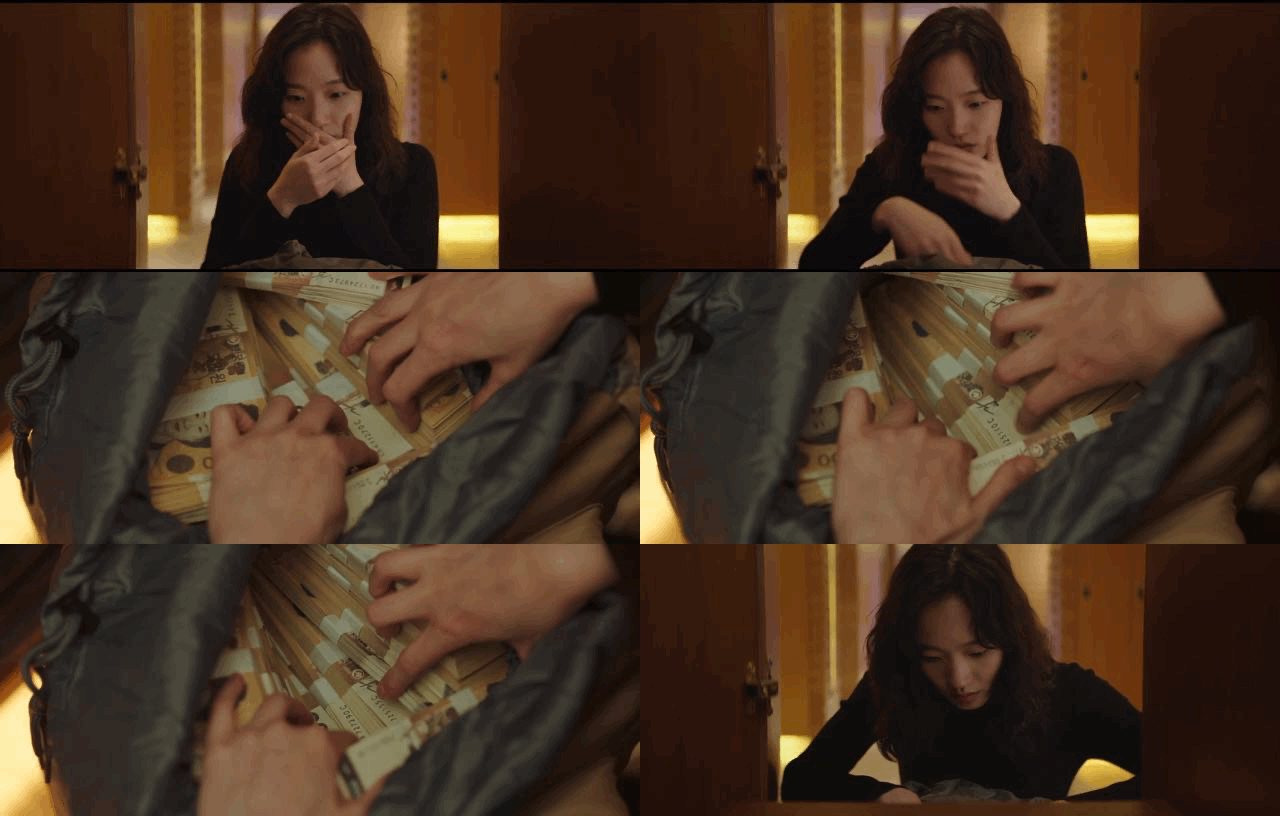
But things will never be so simple.
What if the money was bought with my best friend’s life?
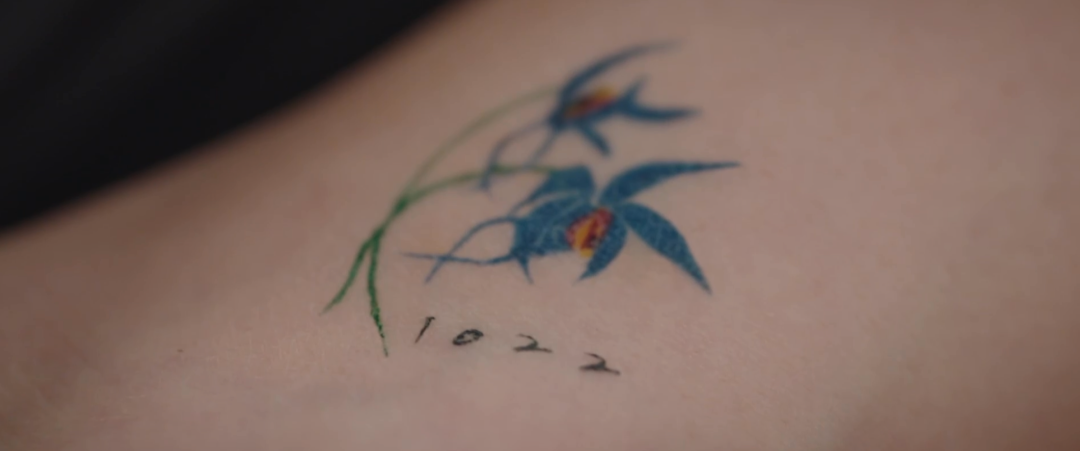
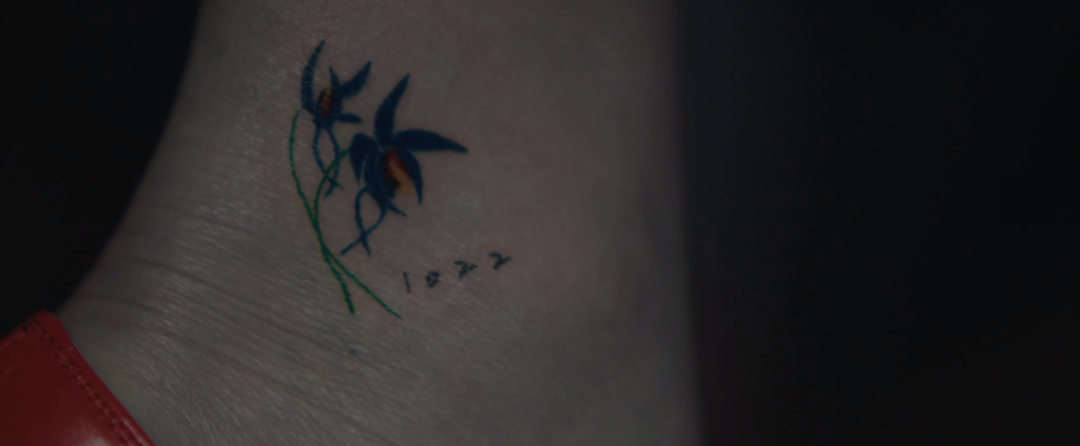
Hua Ying was found hanging in her closet, wearing red high heels and having weird orchids tattooed on her ankles.
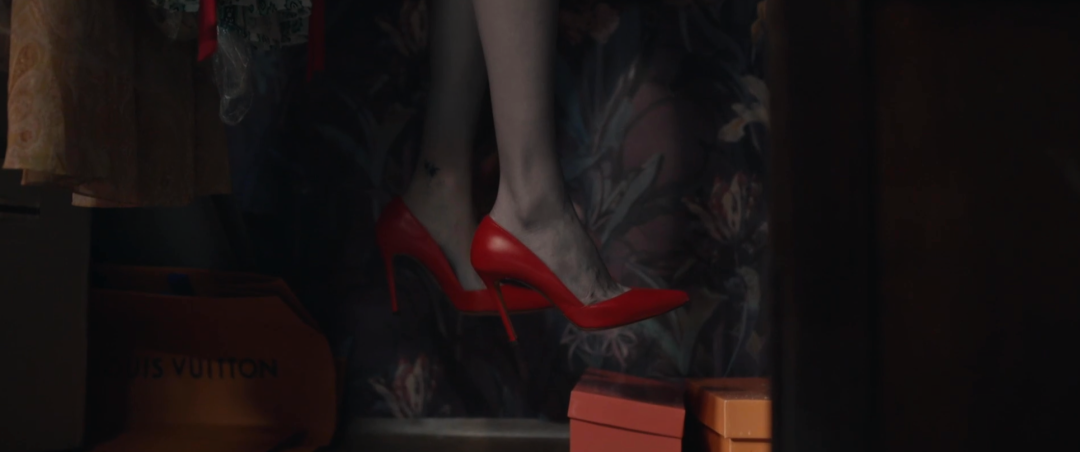
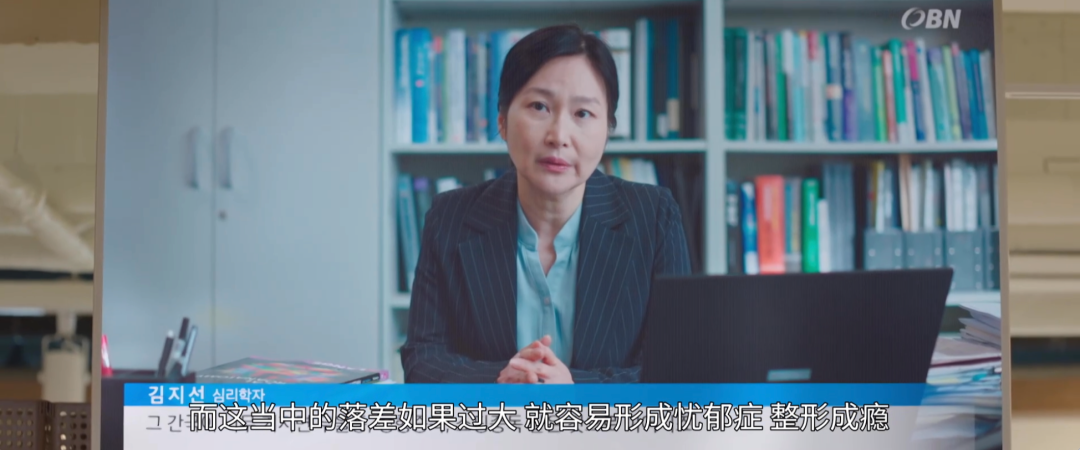
In the police investigation, Hua Ying is a woman who is addicted to shopping and plastic surgery.
There are many unopened new clothes and shoes in her home, and she had plastic surgery the day before she committed suicide.
As a result, this case was hastily closed for depression and suicide.
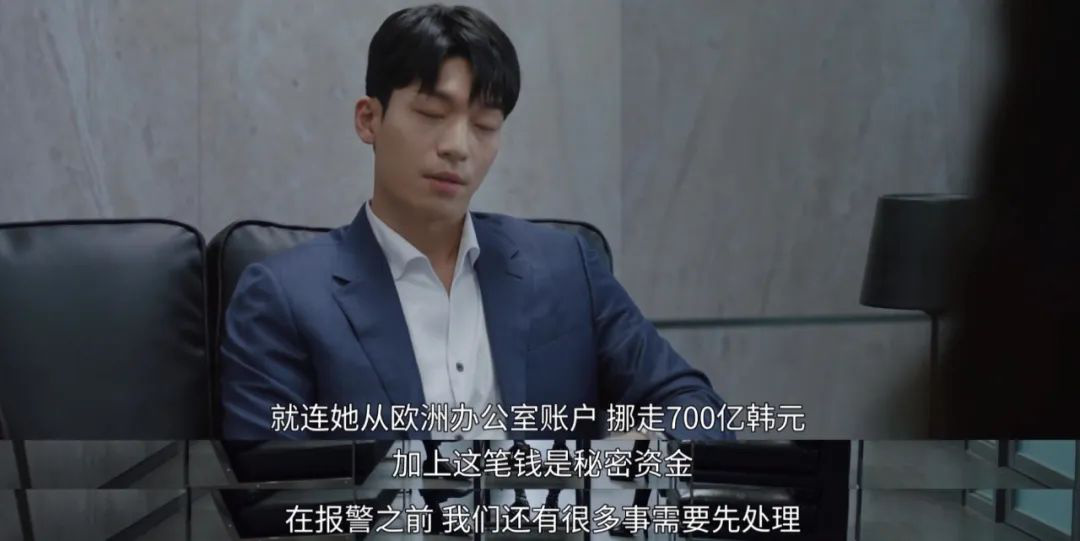
At the same time, director Shen of the company suddenly found her elder sister Renzhu and told her an amazing inside story:
Your best friend stole 70 billion yuan from the company before she committed suicide. This money is a secret fund, so you can’t call the police and you can only get it back privately.
Three sisters vs. Zhu Dantai
The English name of Little Ladies is little women.
Because the drama is inspired by the American book Little Women, they are all stories about three sisters’ efforts to get rid of poverty.
But this drama only borrows the shell, but the inside is completely opposite, which is also the breakthrough of this drama.
None of the three sisters are "good people", and they are all trapped in the whirlpool because of different human weaknesses such as vanity, greed or curiosity.
This is also the ambition of Zheng’s screenwriter. The sisters’ small thoughts are layered with the great conflict between classes. Under the temptation of money, everyone exposes the most secret corner of his heart.
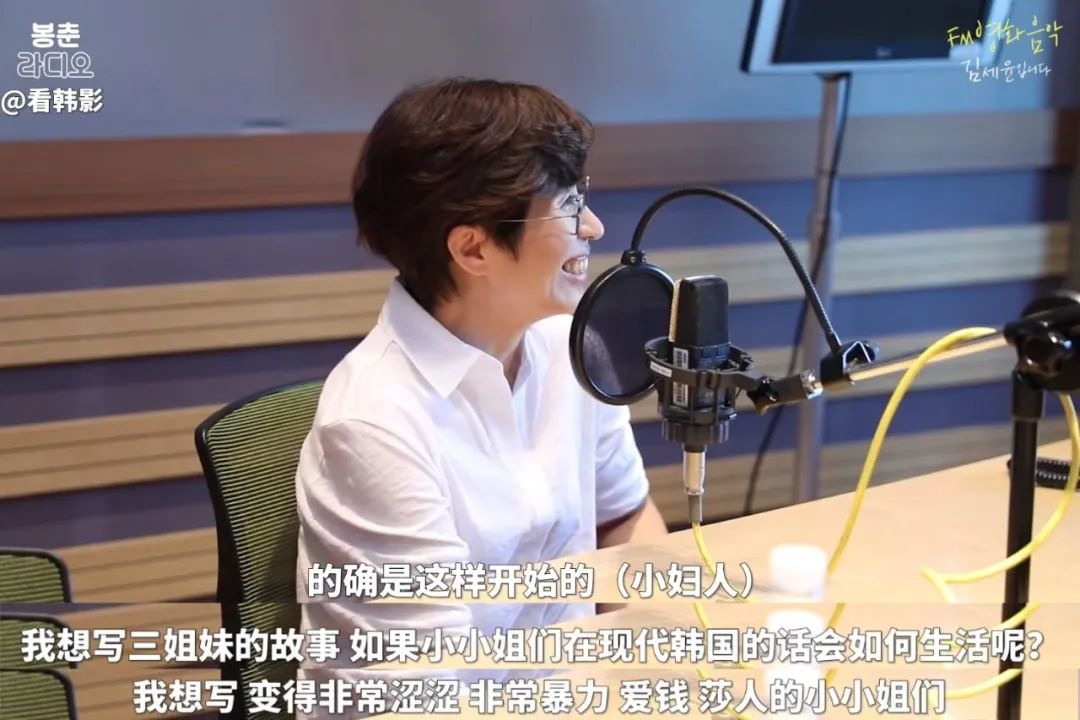
Interview with Zheng screenwriter, source of bilibili up master
It is well known that the elder sister Renzhu made good friends with Huaying before, and then she was given 2 billion cash, which was passively involved in the storm of 70 billion secret funds of the chaebol.
She wants to find out the truth about the death of her best friend, and she wants to have this 2 billion.
This is her dream shortcut, but I don’t know that all the gifts are secretly priced.
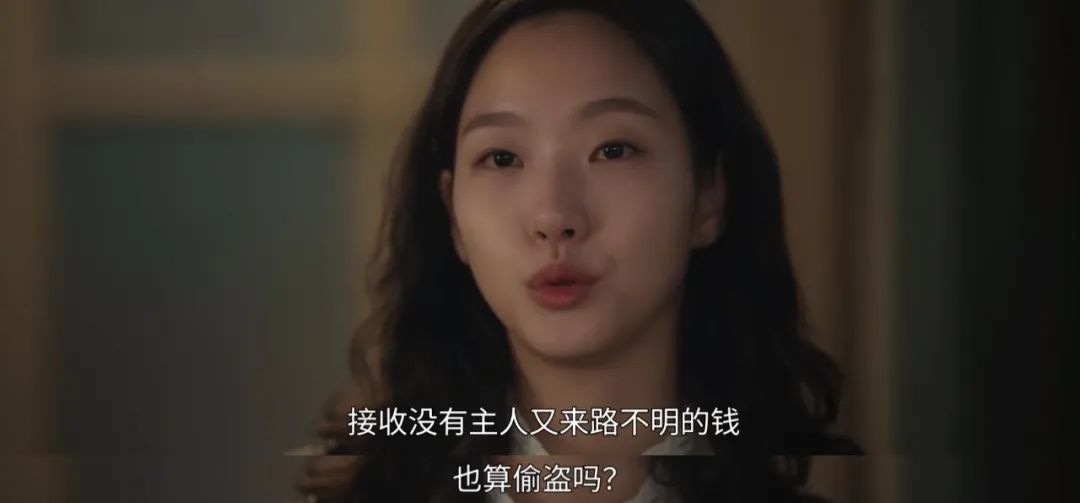
And she didn’t have a cool head enough to keep the 2 billion, and she tried to get in trouble with the tiger.
Through investigation, Renzhu discovered a completely different Hua Ying, and finally discovered the secrets of Hua Ying and the company’s director Shen.
Before Hua Ying, Director Shen had an accountant.
She was also excluded, embezzled public funds, died of suicide and wore red high heels.
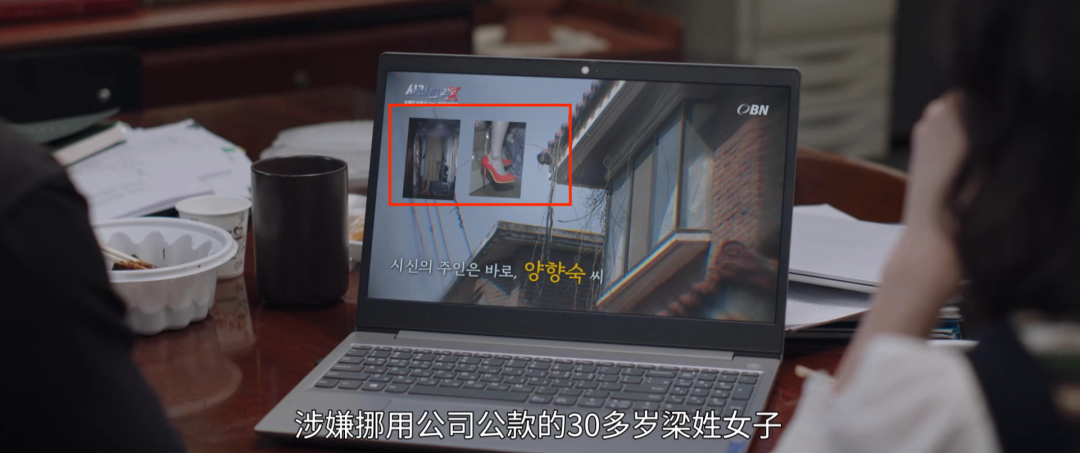
Now, Renzhu has also received the same high-heeled shoes sent by Director Shen, which is like a death warrant in front of Renzhu, and Renzhu is frightened.
However, before Director Shen could start work on Renzhu, he had an accident …
The brakes failed and there was a weird orchid in front of the car.

At the same time, the two sisters were involved in this conspiracy in different ways.
Second sister renjingNam Ji Hyun is a journalist with ideal news and strong empathy.
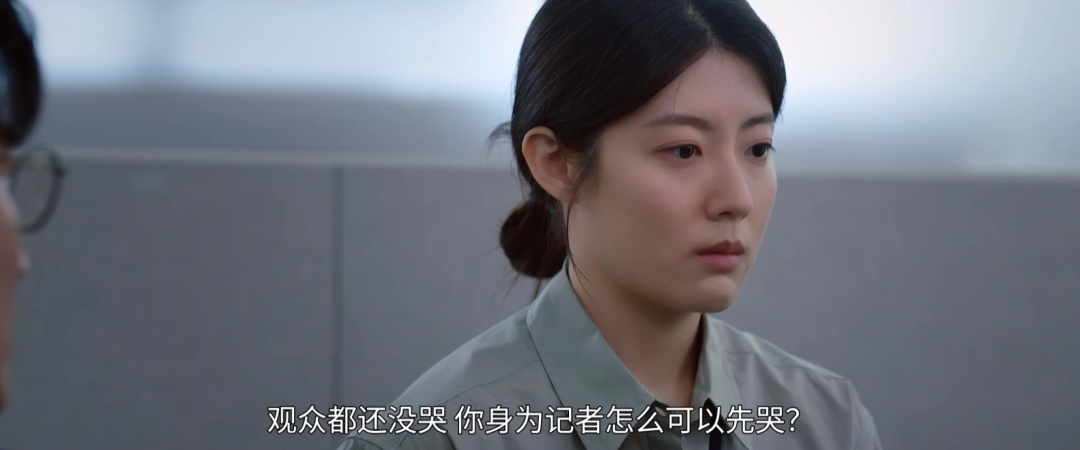
Although he has been working for several years, Ren Jing still has strong mood swings because of the victims of social vicious incidents, and he can only control his emotions with alcohol.
In other words, she is an alcoholic.
Recently, she is investigating Jae-Sang Park, the active president of the consortium and the candidate for the next mayor of Seoul.
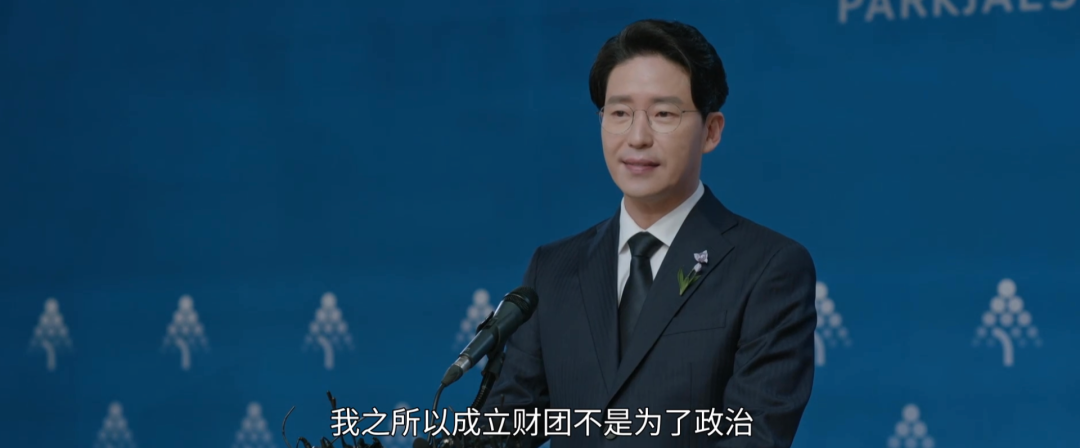
Maybe there is a Zhu Dantai filter in "Top Floor", and he looks bad.
In-jin once investigated Jae-Sang Park in a bank case a few years ago, and 400 billion won involving 30,000 depositors in the bank case disappeared out of thin air.
Jae-Sang Park came from a humble background, crossed the class by marriage and became the son-in-law of Yuanling Group, and gradually took power in his hand.
In the bank case of that year, he was the defense lawyer of four of the accused executives.
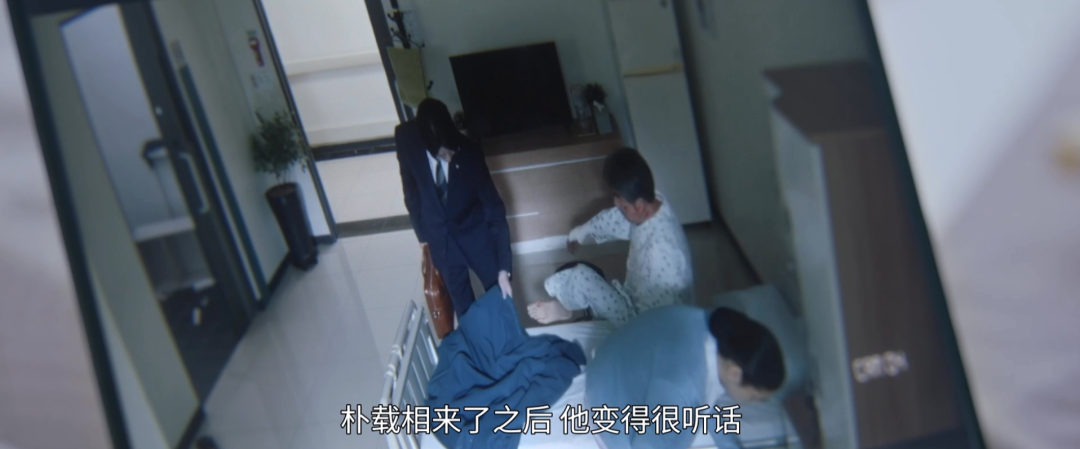
Strangely enough, after meeting them in Jae-Sang Park, the four men committed suicide.
The death of these four people directly led to the disappearance of 140 billion won out of thin air and secretly flowed to the Yuanling consortium.
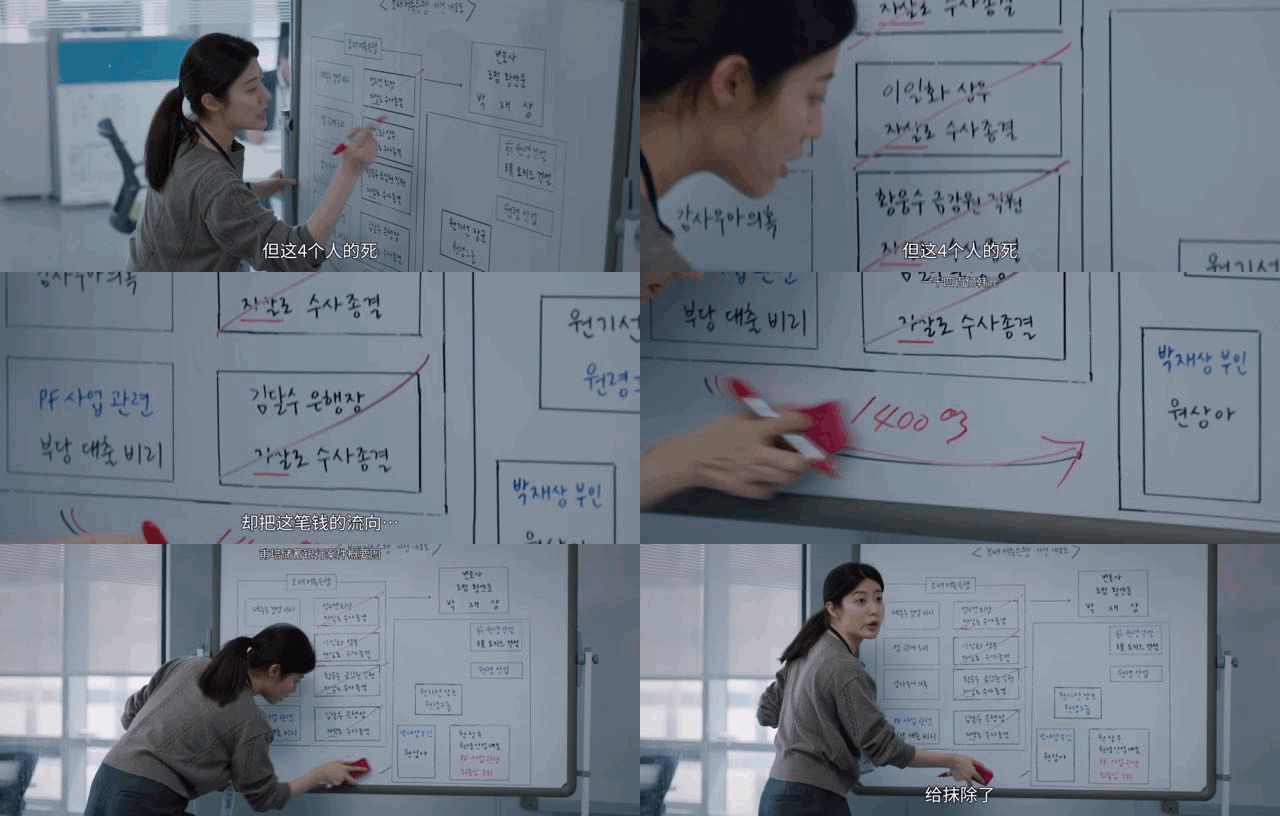
Renjing contacted the nephew of the high-level suicide in the past, trying to investigate the truth behind it and agreed on a meeting place.
But my nephew had a car accident before anyone saw him …
The same brake failed, and there was the same orchid on the road.

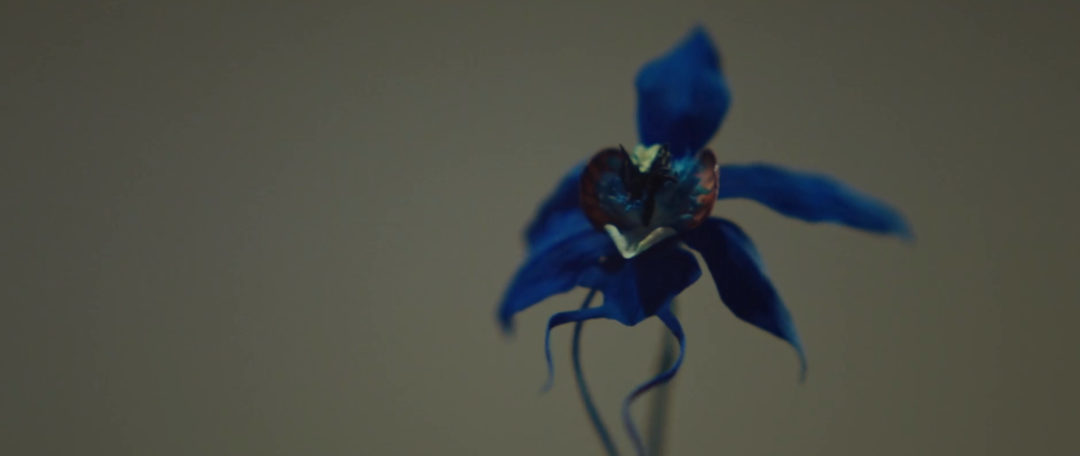
If the elder sister is passively involved in the conspiracy, the second sister chooses to fight against the chaebol, and the younger sister actively embraces the class.
Little sister renhui,In the top art high school in China, he is a genius in painting.
Genius is stubborn, too. She doesn’t want her two sisters to haggle for her.
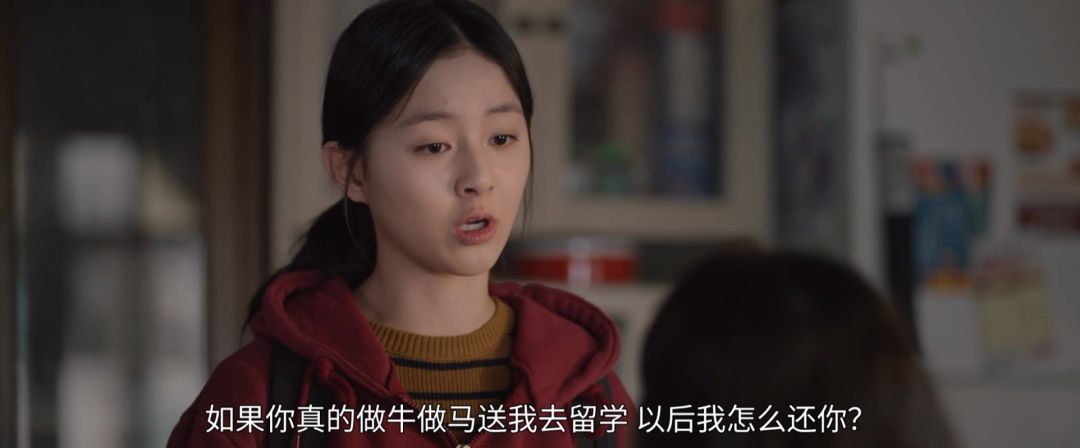
So he insisted on taking refuge in the chaebol, painting with the chaebol’s daughter, and painting for her as a gunman in exchange for studying abroad.
And the chaebol, it is Jae-Sang Park consortium.
Grass snake grey line, the pulse is thousands of miles away. At this point, three lines converge on one person, Jae-Sang Park.
Coincidentally, Jae-Sang Park was wearing the same orchid brooch on his chest.
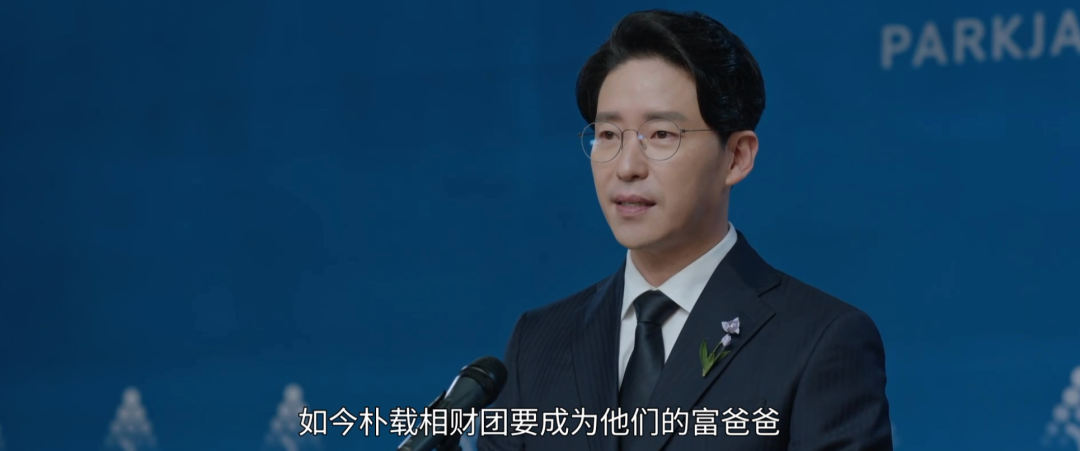
Suspense and reality
There are 12 episodes of "Little Ladies", and the above story is only 2 episodes, with compact plot and fast pace.
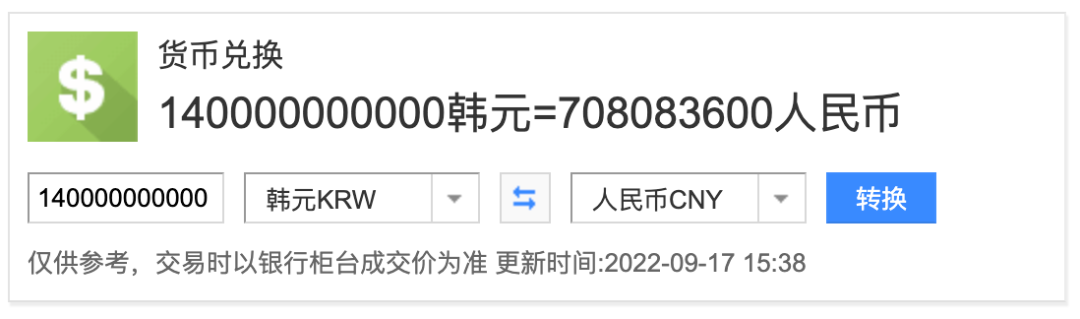
The "Slang Lawyer" next door involved 100 billion yuan, and this side is not to be outdone, directly reaching 140 billion yuan. Is Korean money not money, but just a string of numbers?
Until my cousin saw the news of Ann’s husband, the amount involved was 30.9 billion yuan, earning at least 1.3 billion yuan.
At that time, I didn’t know which number to be shocked by, and the pattern of Korean chaebol was still small.
140 billion won ≈ 700 million yuan
Back to the drama, the most impressive thing in the drama should be "orchids".
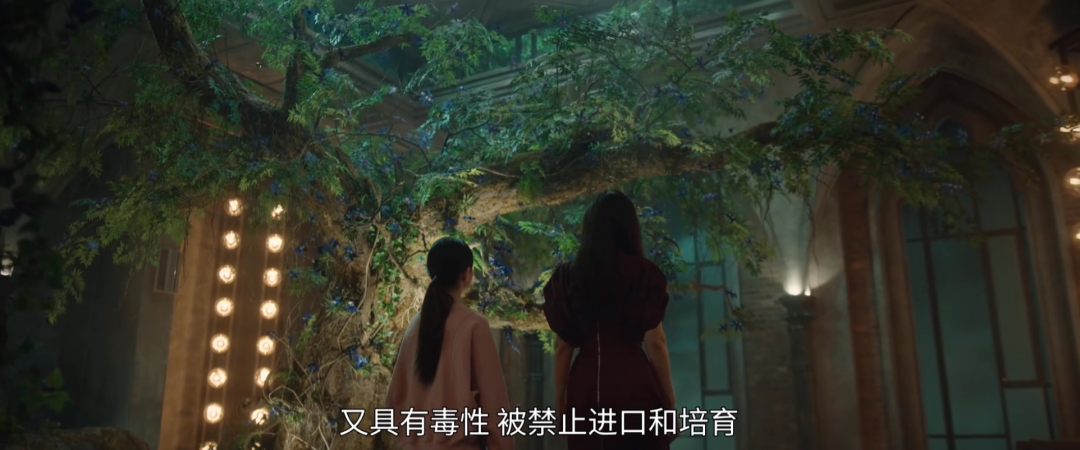
The screenwriter skillfully uses the image of "orchid" to create suspense, which frequently appears at the crime scene, just like the horn of death.
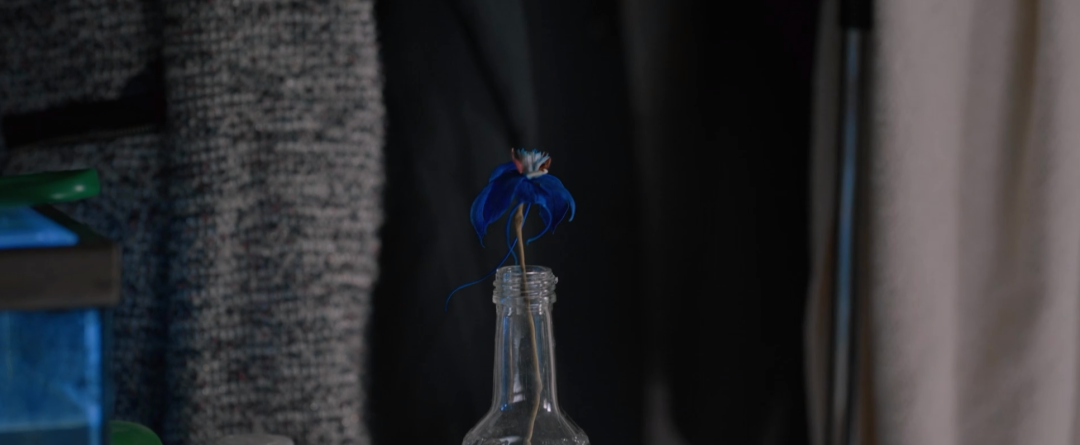
It is said that this orchid is like blue smoke floating in the air, which is rare and deadly.
But Jae-Sang Park’s family has a whole tree, which was planted by Park’s father-in-law.
Huaying’s home is also full of orchids, and even a very precious live orchid has one.
Director Shen was shocked when he saw it in Huaying’s room.
As if it shouldn’t be here.
Moreover, the orchid tattoo on Hua Ying’s ankle seems to be somewhat different before and after her death.
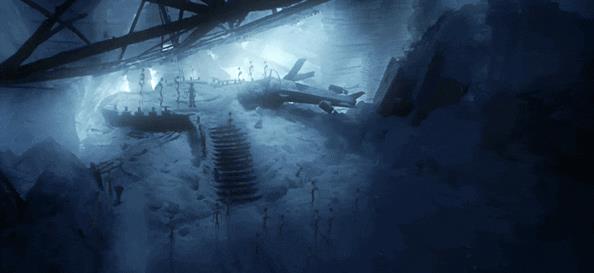
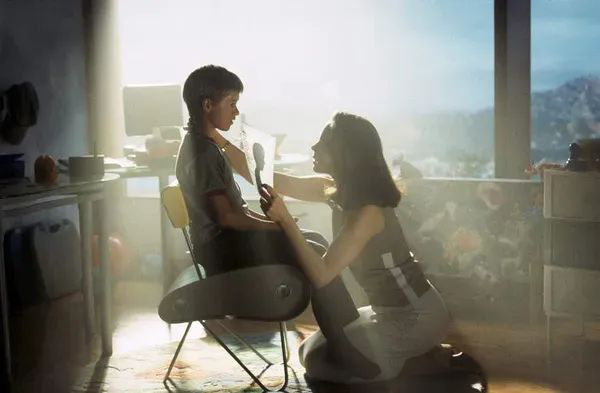
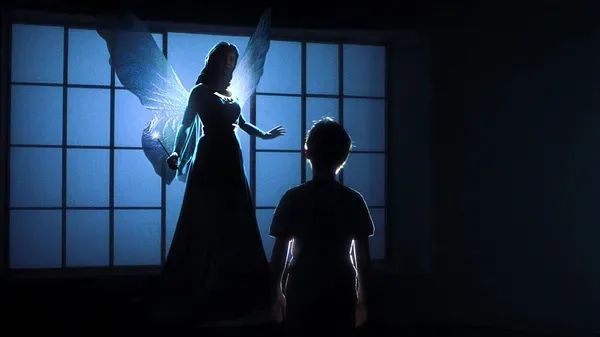
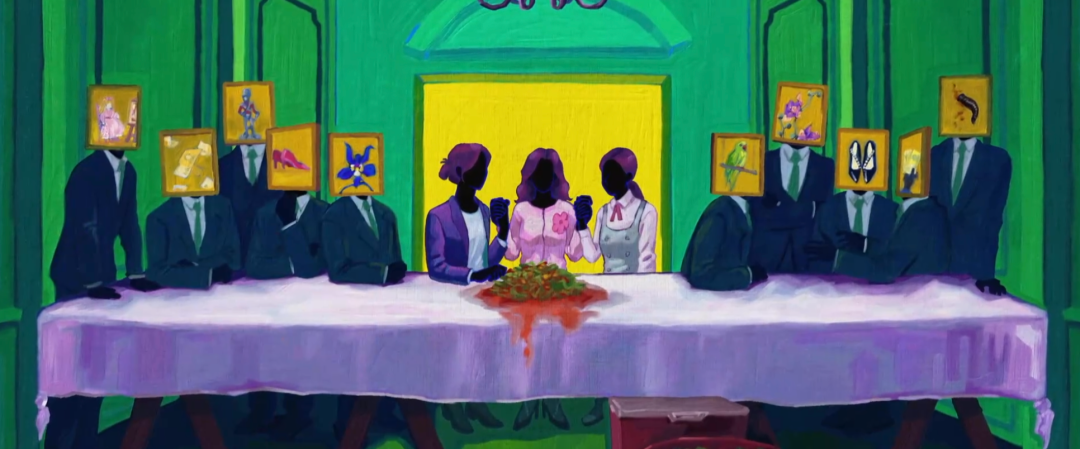
Reminiscent of Hua Ying’s plastic surgery before her death, there is a woman’s big hand stirring up the situation in the opening animation.
Is this a conspiracy of the chaebol? Or is it mantis catching cicada, with Hua Ying in the back?
Top: Under Hua Ying’s tattoo when she was alive: The dead.
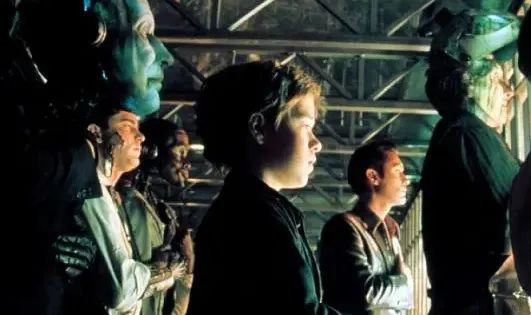
In the opening animation, there is also a scene that imitates Leonardo da Vinci’s famous painting The Last Supper.
Does this mean that one of the characters who have appeared so far is a traitor? Is it little sister?
Suspense is hidden in the details, and the seemingly calm picture is full of waves.
In addition to the suspense feeling step by step, the series also relied on extremely grounded lines, and even with the entry # Writer really knows poverty #, it caused widespread resonance.
There are several things in the world that cannot be hidden, and poverty is one of them.
In "Little Ladies", poverty is portrayed particularly concretely.
For example, the second sister, Ren Jing, had a conversation with her colleagues in the face of unfair treatment given by her predecessors in the newspaper-
Colleague: Are you from a poor family?
Second sister:? ? ? ? ? ? ? ?
Colleague: Because you are too forbearing.
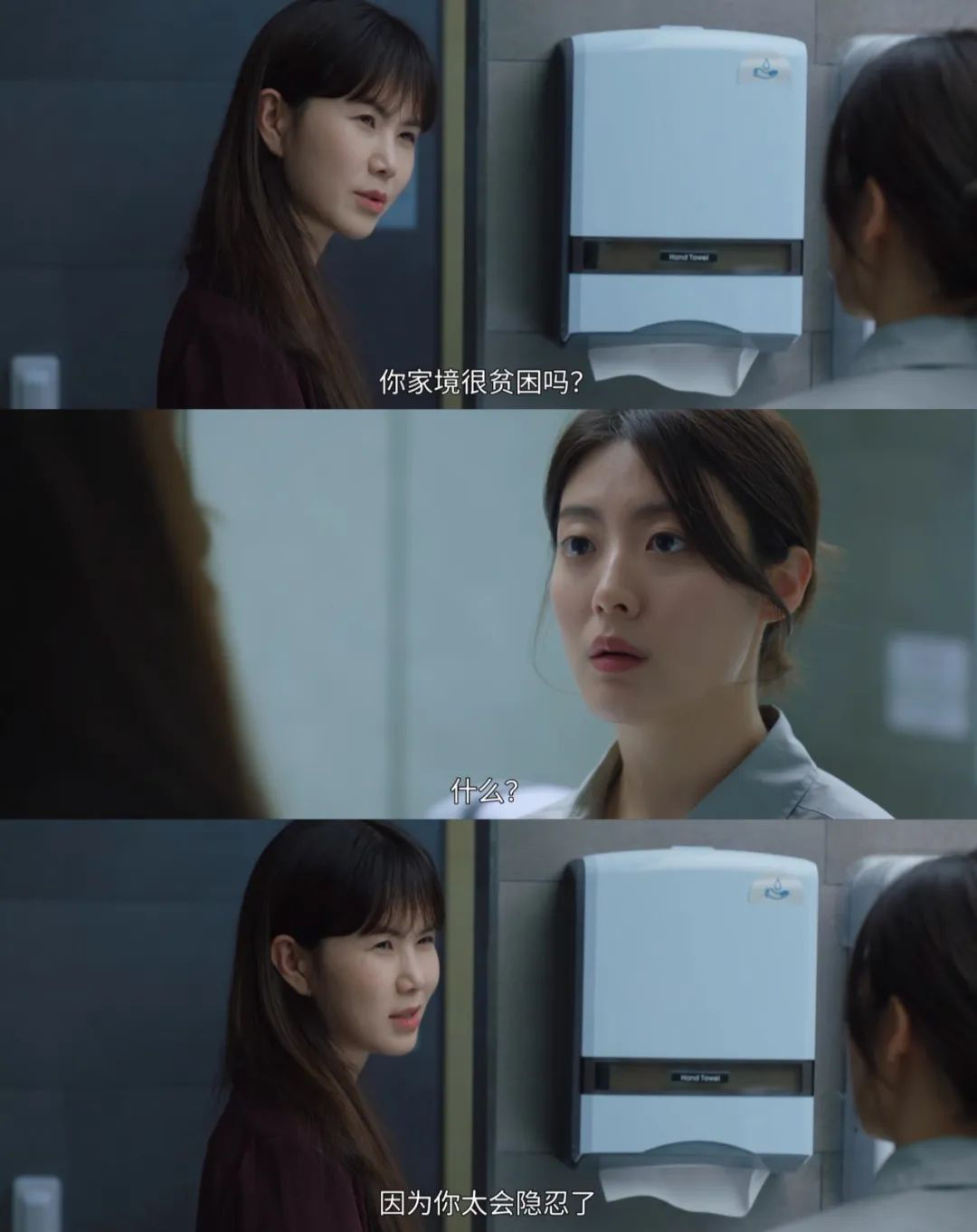
Isn’t this just an ordinary social animal with a mortgage and a car loan, only to bear with it?
And elder sister in-ju, when asked what she wants to do when she has money, she replied-
Winter coat, winter clothes are easy to tell whether a person is poor or not. In summer, he can barely wear the same clothes as others, but winter clothes are too expensive.
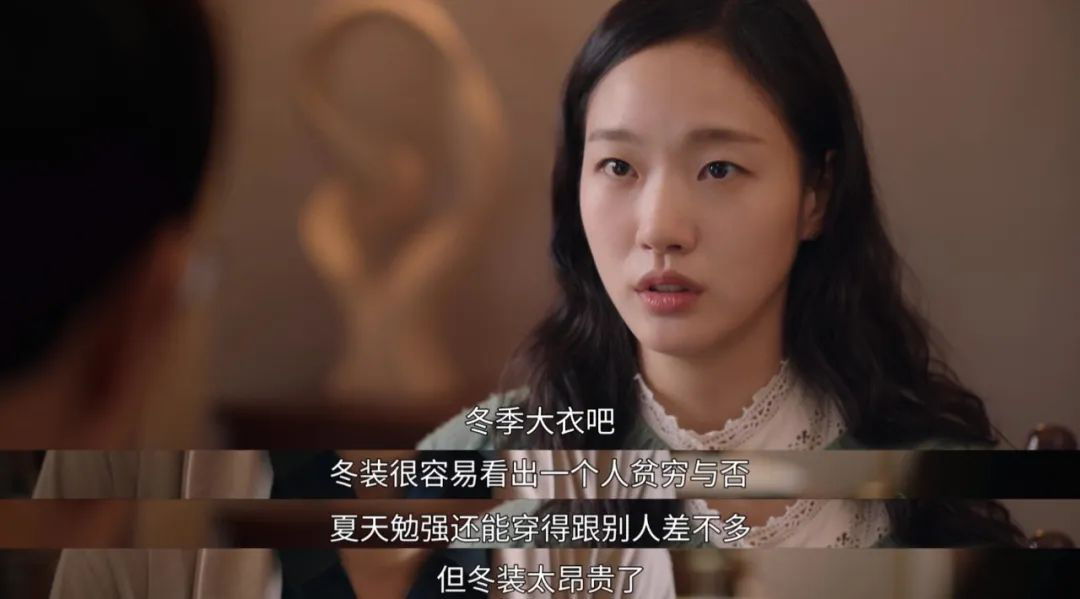
And these, in front of the "poor" who often rent a large duplex and small flat floor in domestic dramas, are too rare.
Write it at the end
The advantages mentioned above, of course, there are some obvious slots in the series, otherwise the score will not drop to 8.2 after 4 episodes.
Mainly from the third episode, in-kyung is a bit of a collapse, but it makes sense to cooperate with her sisters’ childhood trauma and growth experience.
In addition, the leading group is growing, and it was not very pleasing in the early stage.
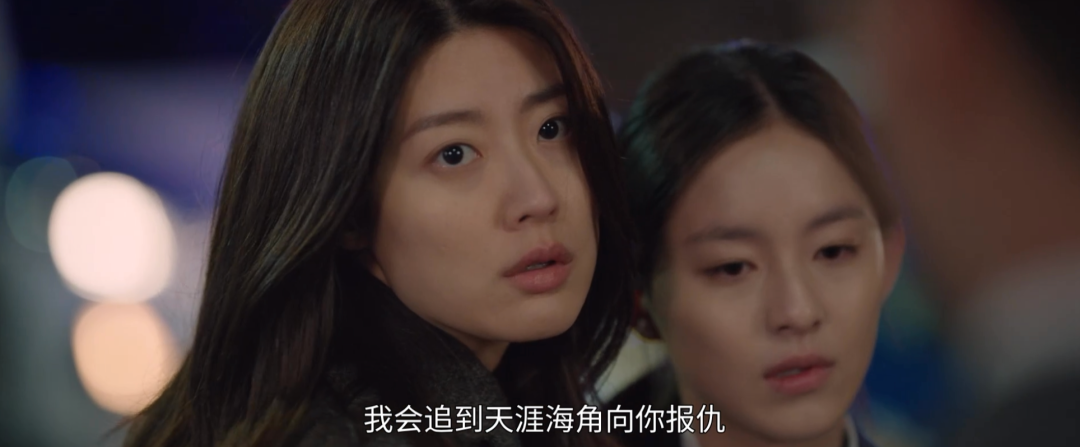
However, in episodes 5 and 6, the amount of information exploded again, and new bad guys appeared, which was quite useful to defeat magic with magic. Here, it’s just too much drama.
In a word, it seems to be a work above the passing line at present, but I still suggest waiting until the end.
After all, the bad ending rate of Korean dramas has been too high in the past two years, and the finale of Slang Lawyer next door really hurt my cousin so much that I almost vomited blood.
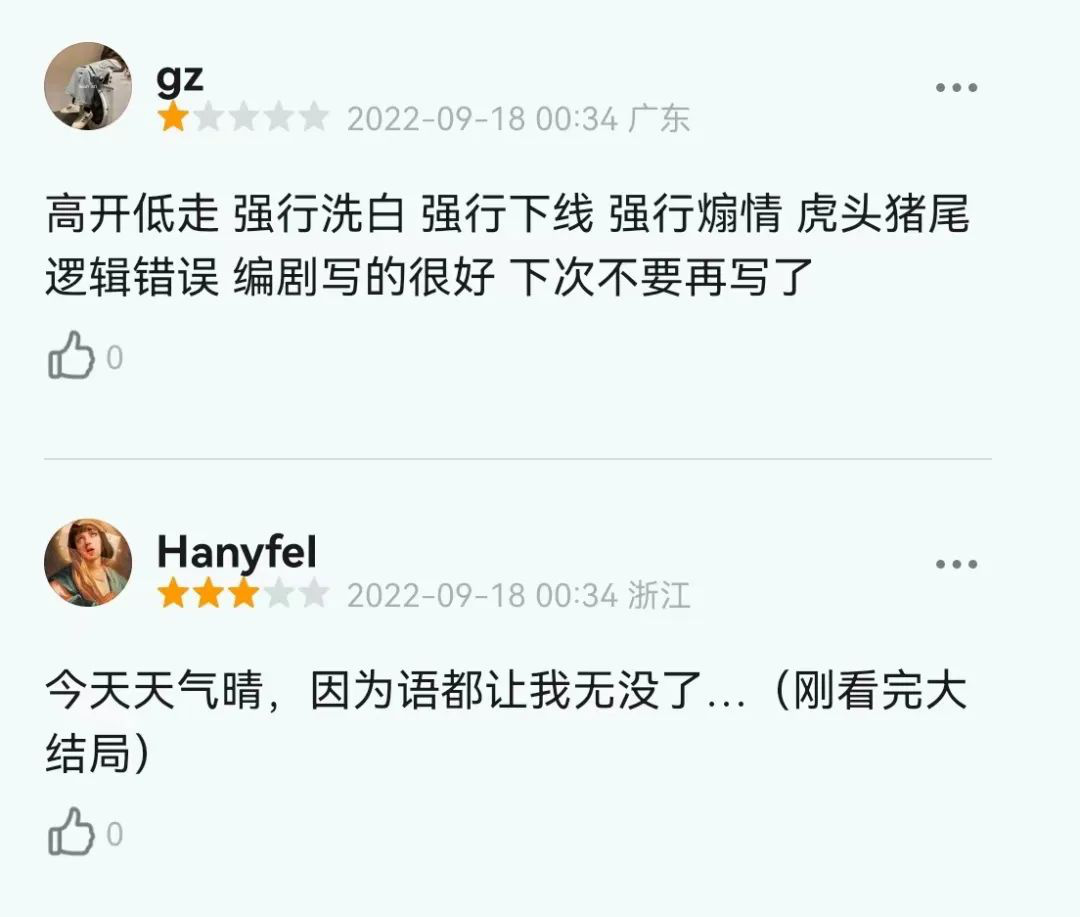
Large-scale collapse scene in Douban comment area of slang lawyer
Let’s have a little interaction today-
(Little ladies)
See more wonderful film reviews