Midstream hits the water and breaks the waves —— Taking the pulse of the first half of China’s economy in 2019 from grassroots research
Xinhua News Agency, Beijing, July 1 ST: Midstream hits the water and breaks the waves — — From the grassroots research to the first half of China’s economy in 2019
Xinhua news agency reporter
By the middle of 2019, China’s economy has gone through an extraordinary first half.
Ten years after the international financial crisis, the world economy has once again come to a crossroads. There are headwinds from trade protectionism and unilateralism, internal structural and cyclical contradictions are prominent, and the transformation and upgrading have climbed over the hurdle. How can China’s economic giant hit the water?
Sail and break the waves, and March forward against the wind. Xinhua News Agency reporters felt in the grass-roots investigation that the vivid stories of reform and innovation and the touching stories of forging ahead one by one constitute a vivid picture of China’s current economic stability and high-quality development.
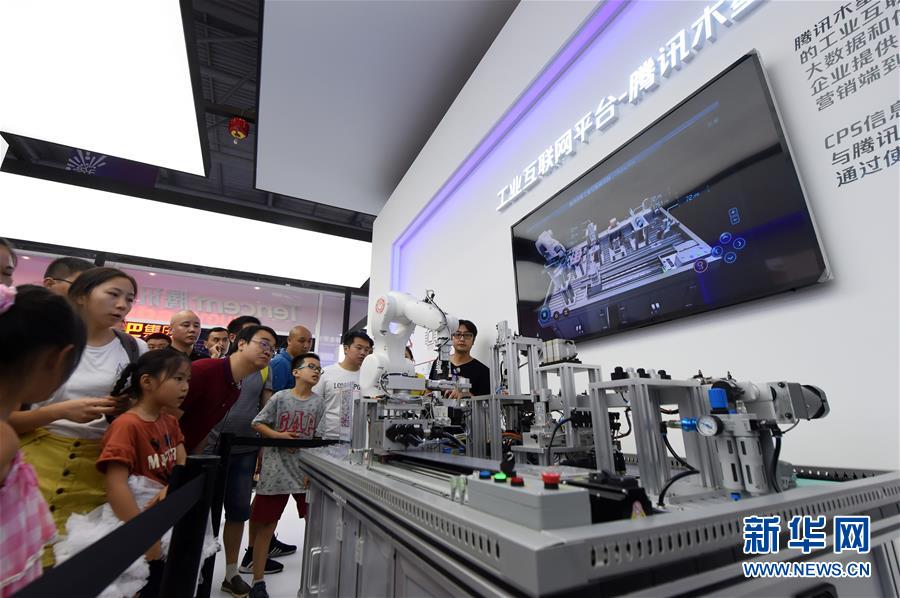
At the 2018 China International Intelligent Industry Expo, a mechanical arm on the "Muxingyun" industrial Internet platform in Tencent’s exhibition area was processing (August 24, 2018). Xinhua News Agency reporter Tang Yushe
What is the economic performance of China? — — Highlight a word "stability"
Rolling along the Yangtze River, it is rushing endlessly.
Nanjing, the central city in the lower reaches of the Yangtze River. At noon in midsummer, Luo Qun, member of the Standing Committee of Nanjing Municipal Committee of Jiangsu Province and full-time deputy secretary of the Party Working Committee of Jiangbei New District, met the reporter face to face. The opening remarks were actually throwing questions at himself: "How can the new district break through in the face of complex international economic and trade situation?"
As the 13th national new district in China, Jiangbei New District has developed continuously and rapidly since its establishment four years ago, making every effort to build an important engine for the high-quality development of Nanjing and even the Yangtze River Delta. However, in recent days, some enterprises have been affected by Sino-US economic and trade frictions, and the industrial growth rate of the new district has declined.
"It is also organic in danger, and the challenge is testing. This is a stage of physical fitness." Luo Qun said frankly that since the beginning of this year, the new district has made a fuss about reform, exerted its strength on the mechanism, adhered to innovation as the guide, and strived to make the development of the new district more stable and solid.
According to reports, Jiangbei New District attracted about 2,800 overseas talents to work in the first quarter. It is expected that more than 300 high-tech enterprises will be added this year, and the number of new R&D institutions and high-level talents has also maintained a high growth rate last year.
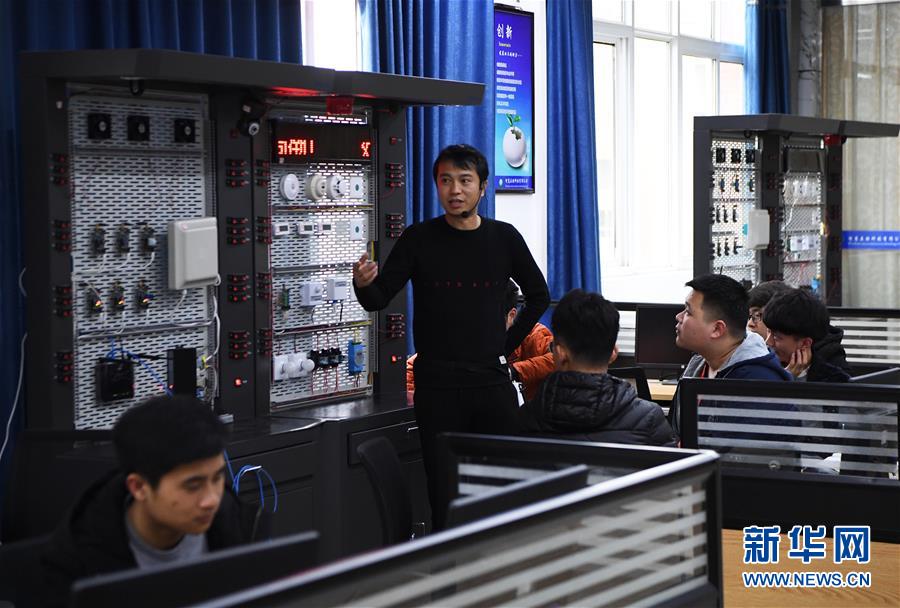
At Chongqing City Vocational College in Yongchuan District, Chongqing, the teacher (middle) is teaching students majoring in Internet of Things (photo taken on March 14, 2019). Xinhua News Agency reporter Wang Quanchao photo
Along the river, we came to Chongqing.
Affected by the decline in automobile production and sales, the growth rate of added value of industrial enterprises above designated size in this southwestern town last year was only 0.5%. However, in the first five months of this year, the industrial growth rate rebounded to 4.8%, showing a stable and positive trend.
"Chongqing is based on manufacturing, and it also depends on manufacturing to move towards the future." Tu Xingyong, deputy director of Chongqing Economic Information Committee, said that Chongqing will consolidate and upgrade the "core screen nuclear network", that is, the whole industrial chain intelligent industrial cluster of chips, LCD panels, intelligent terminals, core components and the Internet of Things, and the automobile and motorcycle industrial cluster with new energy and intelligent network connection as the main direction, and promote the manufacturing industry to move towards the middle and high end.
"With ‘ Core screen device core network ’ We can ‘ develop. Calm down ’ 。” Tu Xingyong said humorously.
Look at the whole situation.
This is a true portrayal of China’s economy: there are many difficulties, but there is greater hope; There are many challenges, but more confidence.
A few days ago, Xinhua News Agency sent multi-channel teams to the grassroots level to see the local development trends, listen to the first-line voices of enterprises, explore the market circulation situation, and get a close look at the economic trends.
"Stability" is a clear feeling reached by journalists from all walks of life — —
In the first half of 2019, China’s economy gained momentum steadily.

Customers buy vegetables in a supermarket in Wuxi, Jiangsu Province (June 12, 2019). Xinhua News Agency (photo of the moon)
Where is the stability?
The main driving force for economic growth is generally "stable": from the perspective of the "troika" of investment, consumption and export, in the first five months, although the growth rate of investment declined, the growth rate of manufacturing investment rebounded at a low level. In May, the growth rate of total retail sales of social consumer goods rebounded by 1.4 percentage points from the previous month, and exports increased by 7.7% year-on-year.
The employment and price indicators related to people’s lives are "stable": in May, the national urban survey unemployment rate was 5%, and in the first five months, 5.97 million new jobs were created in cities and towns nationwide, and more than half of the annual plan was completed; In May, the national consumer price rose by 2.7% year-on-year, with a moderate increase.
The pace of industrial structure optimization is "steady": in May, the added value of high-tech manufacturing increased by 9.4% year-on-year, 4.4 percentage points faster than that of industries above designated size; The growth rate of information transmission, software and information technology services is faster than the national service industry production index by 15.2 percentage points.
The development mentality of localities and enterprises is more "stable": "China’s economic strength potential is not what it used to be, and we have a lot of room for manoeuvre." "The international financial crisis 10 years ago came, but China bucked the trend and became the second largest economy in the world" … … In the interview, the reporter found that many local cadres and entrepreneurs are optimistic about the prospects of economic development, have a positive attitude towards some difficulties currently encountered, and their mentality is more calm.
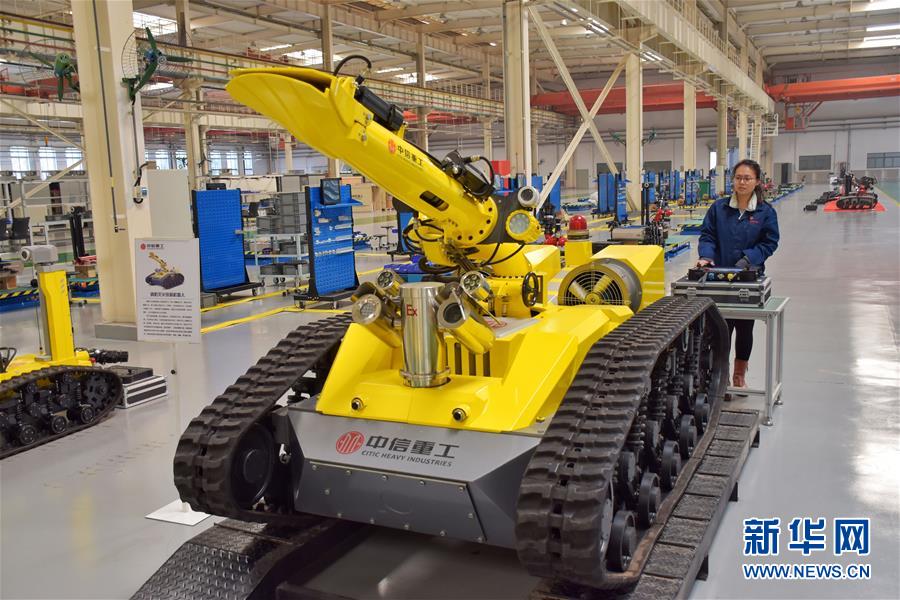
In the workshop of citic heavy industries, Luoyang City, Henan Province, workers are operating special robots (photo taken on January 11, 2019). Xinhua News Agency reporter Han Chaoyang photo
"Only after being tested can you become an outstanding person. In the past 10 years, citic heavy industries has landed in the capital market, and has also provided supporting products and components for heavy equipment in countries such as shenzhou spaceship and C919. At present, the international market covers more than 40 countries and regions around the world." Talking about the development achievements in the past 10 years, Yu Zhangfa, chairman of citic heavy industries Machinery Co., Ltd., is a few treasures.
As one of the 156 key projects in China during the First Five-Year Plan period, citic heavy industries seized the opportunity to become a leader in the field of heavy equipment manufacturing in response to the international financial crisis.
"Aiming at high-quality development and opening up the international market, this is the stabilizer for development." Yu Zhangfa said that relying on the global layout, citic heavy industries is following up a number of overseas key complete sets of projects, main engine projects and spare parts service projects, and it is expected that the total number of effective overseas orders will increase in 2019.
Since the beginning of this year, China’s economy has achieved a smooth start under the pressure challenge, and it continues to play the role of "stabilizer" of the world economy, which has won praises from foreign media for its "stable and resilient chassis".
Where does stability come from?
Stable support comes from the positive factors that the policy effect continues to appear.
Quickly coordinate and solve enterprise problems in view of practical difficulties; Establish an "order tracking system for 91 key foreign trade enterprises" covering 65% of the province’s total import and export volume to track the fluctuation of import and export volume and price and employment impact; Introduce "22 measures" to optimize port business environment and promote cross-border trade facilitation … …
From January to May, Sichuan’s import and export to the United States increased by 13.7% year-on-year, and the export growth to ASEAN, the European Union, Japan and other overseas markets drove the province’s export growth by 30%.
Yang Ni, deputy director of the General Department of the Sichuan Provincial Department of Commerce, told the reporter that over the past year or so, enterprises have actively responded and struggled to transform, and the government has tried every means to create a good environment for enterprises, and achieved a good development trend with one heart and one mind.
This is a microcosm of China’s active response to challenges.
Since the beginning of this year, we have implemented a larger scale of tax reduction and fee reduction, made great efforts to ease the financing difficulties of enterprises, stabilized and expanded employment in a multi-pronged manner, and made efforts on the supply side to build a strong domestic market … … A series of pragmatic measures were introduced intensively, and macro-policies were adjusted countercyclically, which opened up growth space for China economy.
Stable support comes from the lasting power of kinetic energy to accelerate the conversion and release.
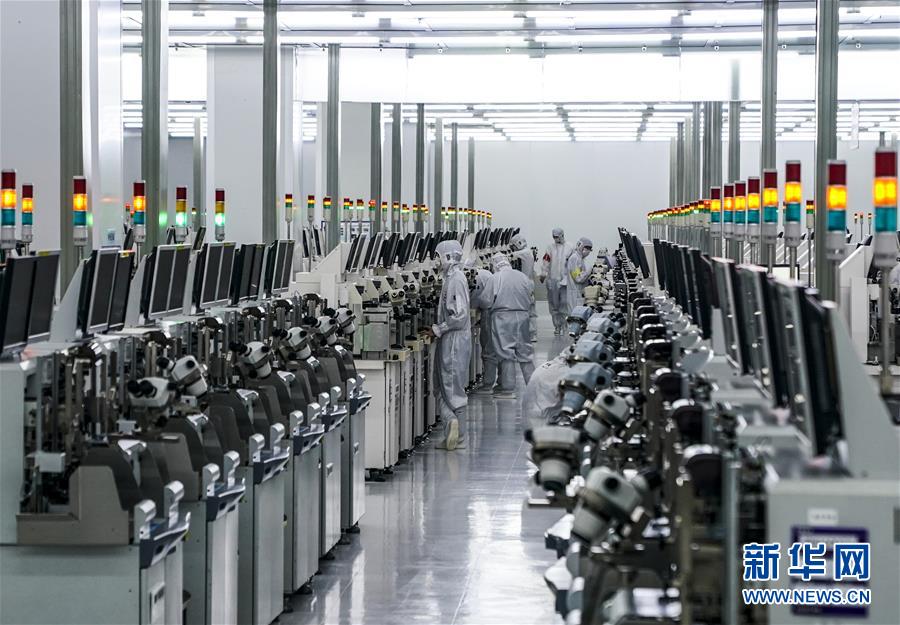
Workers in the chip packaging workshop of Chongqing Wanguo Semiconductor Technology Co., Ltd. are working (photo taken on June 21, 2019). Xinhua News Agency reporter Liu Yushe
Surrounded by green mountains and green waters, we walked into the production workshop of Chongqing Wanguo Semiconductor Technology Co., Ltd., where chips were being manufactured, packaged and tested, and some products only needed to be transported for several kilometers to reach the target market. This American-owned enterprise is the second manufacturing, packaging and testing base of 12-inch power semiconductor chips in the world.
Qi Yuanlin, director of the company’s public relations department, told reporters that Chongqing’s complete and mature automobile and electronics industry system has provided a broad market space for enterprises.
"We will not give up the huge consumer market and the huge technical talent team here." Lei Guohui, general manager of ASM Pacific Technology Co., Ltd., a manufacturer of semiconductor integration and packaging equipment, said that they are preparing to build the fourth manufacturing base in China in Jiujiang, Jiangxi.
Although the economic market remains stable, we also feel that the uncertainty brought by the external environment persists, which affects the investment expectation and confidence of enterprises to some extent; Various cost factors have risen, and the operating pressure of the real economy is still relatively high; The differentiation of different regions and industries is still going on, and the conductivity of external influences cannot be underestimated; The implementation of various policies needs to be further strengthened.
"Sino-US economic and trade frictions have lasted for more than a year, and people’s understanding has become more and more objective, rational and comprehensive." Ning Jizhen, deputy director of the National Development and Reform Commission, said in an interview that the key is to maintain strategic strength, enhance confidence in winning, dare to take responsibility, be good at planning, and concentrate on doing your own thing well.
Where does China’s economic vitality come from? — — Contains a word "change"
"In the face of uncertainty, we should not only change with constancy, but also change with ‘ Change ’ Should change. " Yang Quanxing, general manager of Guangdong Textile Import and Export Co., Ltd. told reporters.
Breaking rigid thinking, thinking about change through reform, seeking change through transformation, and winning through change … … "Change" has become a distinctive feature of China’s economy and the vitality of China’s economy.
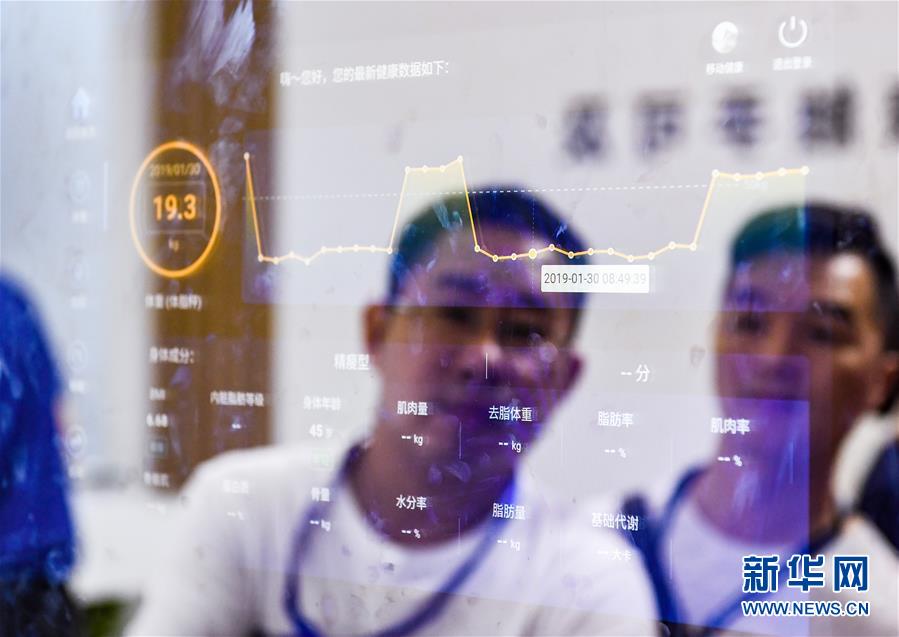
At the 7th China Electronic Information Expo (CITE2019) held in Shenzhen Convention and Exhibition Center, Guangdong Province, the audience learned about smart mirrors at the BOE booth (photo taken on April 9, 2019). Xinhua News Agency reporter Mao Siqian photo
Change ideas, turn passivity into initiative, and strive to find opportunities in danger — —
"In the future, put on our smart clothes and download an APP, and it will become yours ‘ Personal coach ’ Teach you how to keep fit, dance and even practice yoga … …” Yang Quanxing described the company’s new products in the future.
Aiming at the Internet of Everything and the development trend of great health, this company began to develop smart clothes as early as a few years ago, and it is expected to be put into mass production soon.
"Opportunities are not waiting, but created." He said.
The reporter has a prominent feeling in the investigation. Faced with the difficulties in development, many entrepreneurs have a more peaceful mentality, and their "playing style" is also changing: from passively lowering prices in the past to actively developing new products, improving quality and improving efficiency.
There is thunder in the silence. When the wind is against the wind, it is often a good opportunity for those excellent enterprises to take advantage of their accumulated wealth and narrow the gap with their competitors.
At present, it is the best time for the development of emerging industries such as artificial intelligence, Internet of Things and 5G. Aiming at the development of 5G and laying out the whole industrial chain of optical fiber communication in advance, Fortis Group, which is one of the top 500 Chinese enterprises, is now welcoming a new "window" in its pursuit of innovation and change.
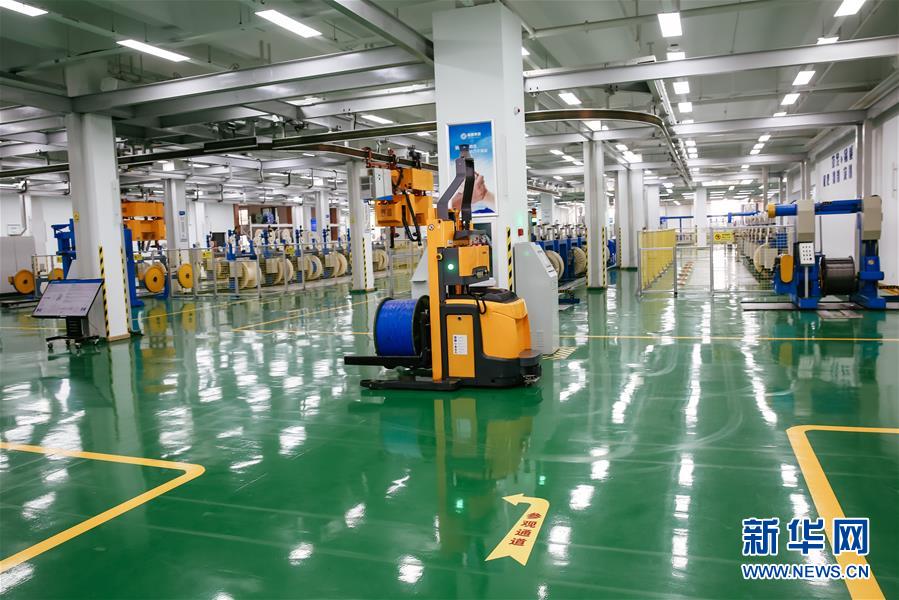
This is the optical communication intelligent manufacturing R&D center of Futong Group (Jiashan) located in Jiaxing, Zhejiang Province (photo taken on June 1, 2017). Xinhua News Agency reporter Zhang Yushe
"With the official issuance of 5G commercial licenses in China, the demand for optical fibers and cables will be three to five times that of the 4G era." Wang Jianwei, Chairman of the Board of Directors of Fortis Group, said that they will actively integrate into the national development strategy through a new round of transformation, upgrading and innovative practice, and make positive efforts for the construction of 5G networks and the development of national informatization.
Seek change in vision, aim at a broader space and open up a broader market — —
On one side of the factory building, aircraft parts are being pre-assembled, and the assembly machine is busy; In the factory building on the other side, exquisite planes spread their wings and wait to fly … … This is a scene of CLP Wuhu diamond aircraft Manufacturing Co., Ltd..
"Wuhu is a can ‘ Make something out of nothing ’ As long as you have a broad vision, you can fly out of a new world. " Hong Yuning, the general manager of the company, said that the company has gradually formed a complete general aviation industry chain from technology introduction to independent research and development, which has also enabled Wuhu aviation industry to grow from scratch.
General aviation refers to all civil aviation except regular airline flights used for passenger and cargo transportation, with huge development space. At present, this industrial chain is driving the rapid development of the entire industrial chain such as aircraft R&D and manufacturing in Wuhu City and even Anhui Province.
As soon as the train of thought changes, the world becomes wider.
Hunchun, Jilin, is not near the sea. Hunchun tried every means to "borrow a port to go to sea", and opened a land-sea combined transport route with Hunchun as the frontier and facing Northeast Asia-zarubino in Russia-Busan in South Korea. There is no port in Hunchun, thus creating a well-known "seafood city".
In the investigation, the reporter found that in the face of practical difficulties, more and more localities and enterprises pay attention to adjusting their thinking and strategies, promoting diversified market development and seizing the initiative.
For Zhejiang dabelin valve co., ltd, building its own brand and developing diversified markets are two cards for enterprises to cope with external challenges.
"Eggs can’t all be put in one basket. At present, our business has spread to about 130 countries and regions around the world, and we have confidence in coping with external risks." Lin Hailin, chairman of the company, said.
Change the mechanism, do everything possible to create conditions, and seek development wholeheartedly — —
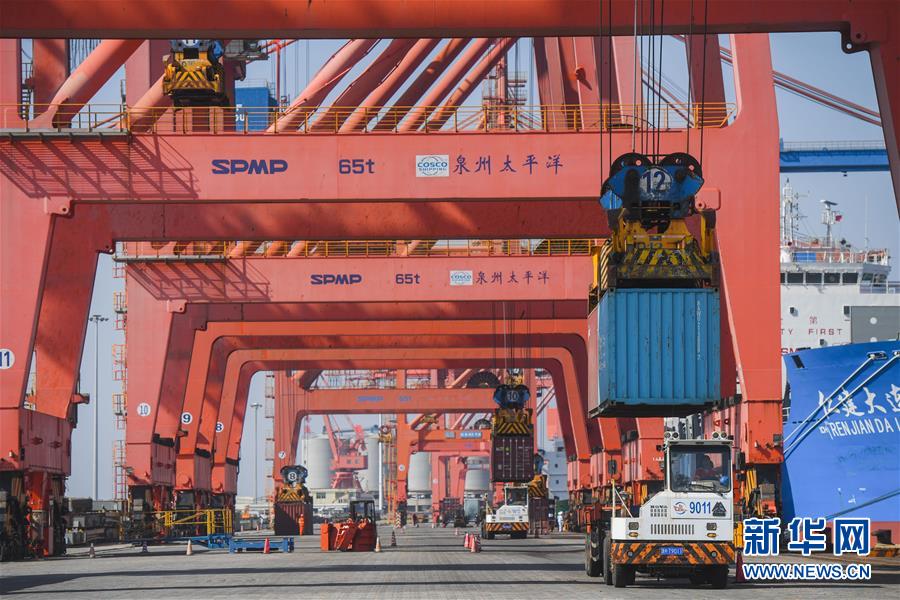
In Shihu Port Area, Hanjiang Town, shishi city, Fujian Province, the large machinery of Quanzhou Pacific Terminal Company is loading a cargo ship (photo taken on November 29, 2018). Xinhua News Agency reporter Song Weiwei photo
Shihu Wharf, Quanzhou, Fujian. The important starting point of the Maritime Silk Road more than 1,000 years ago is now a modern new ferry.
"I don’t have to worry about customs clearance, I don’t have to worry about tax stamps, and I can easily buy the whole country and sell it all over the world." In Quanzhou Shishi Clothing City, the store owner Wang Rongxin praised while making tea.
Thanks to the measures to stabilize foreign trade such as market procurement and trade pilot, the total import and export volume of Quanzhou in the first five months was 76.6 billion yuan, up nearly 11% year-on-year. Among them, the export was about 51.5 billion yuan, an increase of about 20%, much higher than the overall national growth rate.
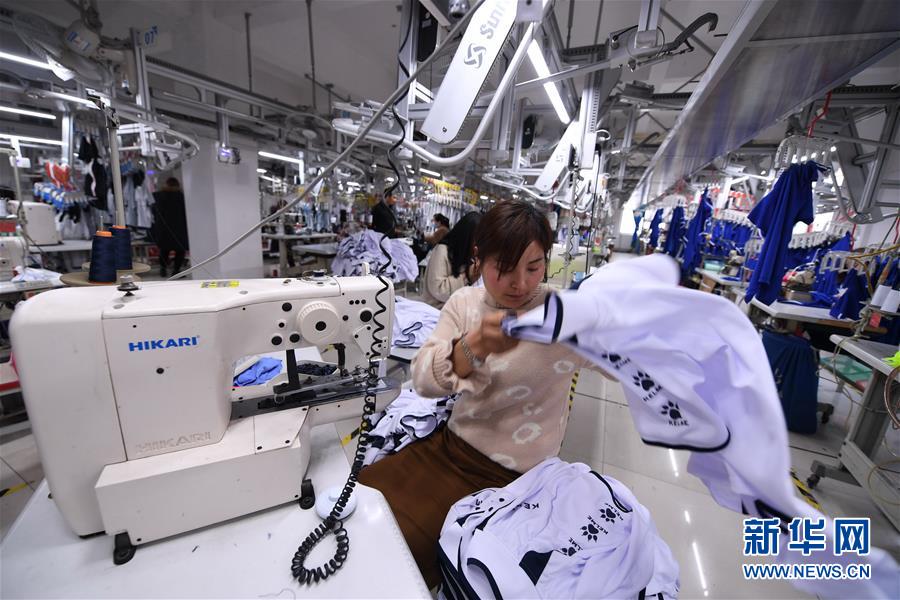
Female workers work on the production line of a garment manufacturing enterprise in Quanzhou, Fujian (photo taken on February 26, 2019). Xinhua News Agency reporter Lin Shanchuan photo
A reform can activate a city.
This is a vivid portrayal of the change of mechanism: the customs clearance time for goods in China has been reduced by more than half; Reduce tariffs to 7.5% several times in a row; The manufacturing value-added tax rate is reduced by 3 percentage points; The proportion of enterprise social security contributions has dropped to 16%; The business environment ranks 32 places higher in the world at a time … …
Regional development seeks change, allowing elements to fully flow in and vitality to compete in generate — —
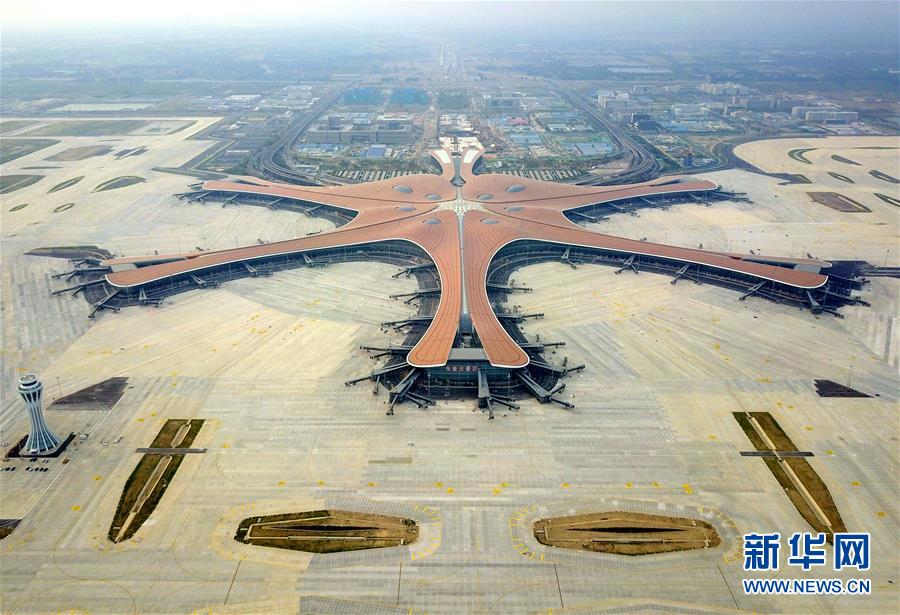
North Xiong ‘an: In the exhibition hall of xiong’an new area Design Center, the animated video of urban design image in Xiong ‘an startup area attracted many audiences to stop, and now Xiong ‘an has entered the construction stage; The Beijing section of Jingxiong Intercity is in full swing, and will be opened simultaneously with Beijing Daxing International Airport in September this year … …
South Yangtze River Delta: The Yangtze River Delta integration strategy has been further promoted. Recently, 86 major regional integration cooperation projects have been signed among nine cities including Shanghai Songjiang, Jiangsu Suzhou, Zhejiang Hangzhou and Anhui Hefei, with a total investment of 219.2 billion yuan … … Innovative resources are constantly accumulating and forming a joint force in cross-regional flows.
From Xiong ‘an to Pudong and then to Shenzhen, from the coordinated development of Beijing-Tianjin-Hebei to the construction of Guangdong-Hong Kong-Macao Greater Bay Area and then to the regional integration of the Yangtze River Delta, from the east to the rise of the central region, the revitalization of the northeast and the development of the west … … The coordinated development of "communities" across administrative regions has been accelerating, the spatial layout of reform and opening up has been accelerated, and the pace of high-quality development has become more solid.
What is the economic prospect of China? — — Understanding a "new" word
"Under the situation of increasing global instability and uncertainties, China’s economic growth remains resilient." In the latest issue of China Economic Bulletin, the World Bank commented on this.
What is the password for China’s economy to successfully hedge the uncertainty of external environment and develop with each passing day?
Hedge with the certainty of innovation and continuously cultivate new economic kinetic energy — —
From the New Bay Bridge in the United States to the canakkale Bridge in Turkey, the cables developed and manufactured by Aosheng Group have been adopted by many landmark large bridges in the world.
Since the beginning of this year, the cable business of Aosheng Group in Shanghai has received sufficient orders, and the factory has worked overtime. "After more than 20 years of innovation and development, we have won 13 major scientific and technological achievements, including the first prize of national scientific and technological achievements, and have 123 invention patents. Leading technology and reliable quality are the core competitiveness!" Tang Liang, chairman of Aosheng Group, said.
Get rid of illusions and speed up innovation.
In the investigation, the reporter found that the awareness of the government and enterprises from "I want to innovate" to "I want to innovate" is more prominent, and the consensus that "seeking innovation means seeking the future" is more cohesive.
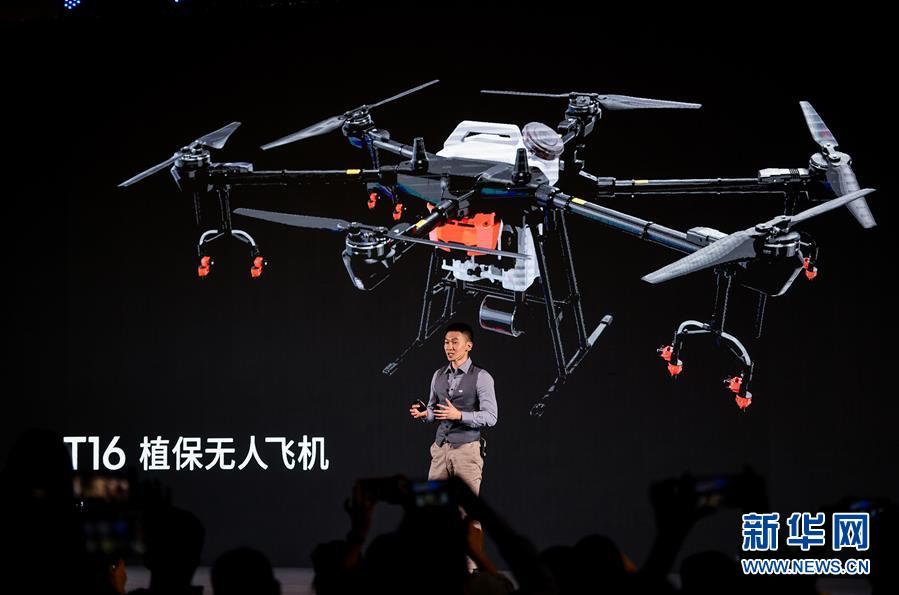
DJI released the new plant protection drone T16 in Shenzhen, Guangdong (photo taken on December 4, 2018). Xinhua News Agency reporter Mao Siqian photo
Walking in the core area of Yuehai Street in Nanshan District, Shenzhen, you can feel China’s "heavy" economic weight and "active" innovation power. Many well-known technology companies, such as Tencent and DJI, gather in high density in an area of less than 15 square kilometers. Now there are 156 listed companies in Nanshan District, where the GDP last year exceeded 500 billion yuan … …
"Strong innovation ability is not only a powerful driving force for development, but also the only ability to determine the survival of an enterprise, and it is the only law that has been repeatedly proved by practice." A department head of Huawei is so emotional.
With an average of 51 invention patents granted every day, Shenzhen, with the title of "Innovation Capital", has become a vivid footnote in the grand chapter of China’s economic transformation and upgrading, driven by innovation that attracts global attention.
The total number of R&D personnel ranks first in the world, and the ranking of "2018 Global Innovation Index" rises to 17th. The number of invention patent applications and authorizations ranks first in the world, and the contribution rate of new kinetic energy to China’s economic growth exceeds one third … … In today’s China, innovation and development are becoming a trend.
With unremitting innovation, China’s economy is full of natural kinetic energy!
Hedging with the certainty of reform and constantly releasing new economic vitality — —
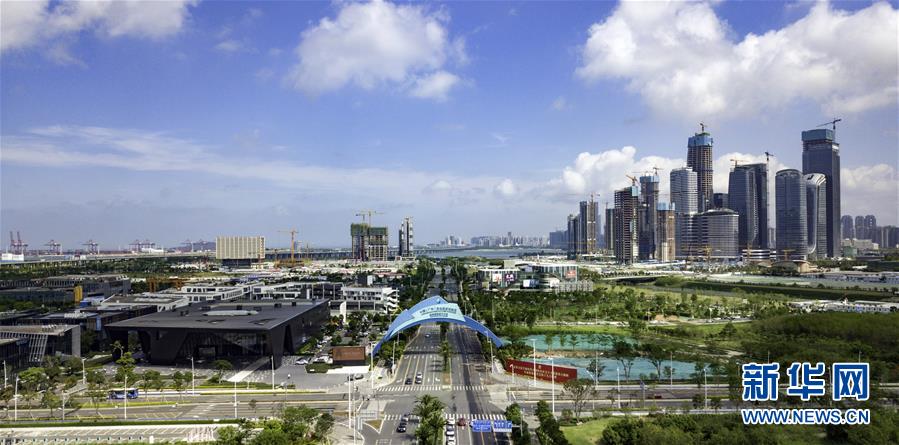
This is the Shekou area in Shenzhen Qianhai, Guangdong Pilot Free Trade Zone (photo taken on May 15, 2018). Xinhua News Agency (photo by Qiu Genmao)
In the first five months of this year, the country added a total of 893 billion yuan in tax reduction and fee reduction, and a series of tax reduction and fee reduction policies, such as deepening the reform of value-added tax and individual tax, gradually became effective.
New data shows new dividends. This year, it is estimated that the tax reduction and fee reduction of 2 trillion yuan will be unprecedented. This is just a window to observe China’s strong push for reform.
Develop a topic and make a fuss about reform.
Starting this year, the "project manager" system in Liaoning Province will cover all enterprises above designated size and key projects. "It is to do nothing and be responsive." As the "housekeeper" of Tencent, Huawei and Liaoning, He Qing, director of the Liaoning Provincial Department of Industry and Information Technology, described his work.
From striving for investment and preferential policies to striving for service and business environment, local governments have carried out healthy competition with new reform measures, highlighting the clear path for China’s economy to achieve high-quality development.
In January this year, Chengdu took the lead in setting up the first new economic development committee in China, dedicated to creating an institutional environment conducive to the development of the new economy. In Zhongguancun Chuangye Street, the pilot reform of providing the registered address of enterprises free of charge and implementing "cluster registration" has solved the problem of finding business premises for start-ups; In Shanghai, focus on "one network to run" and get rid of the "pain points" and "difficulties" of enterprises and the masses … …
Remove market access barriers to the maximum extent, speed up the reform of state-owned enterprises, fiscal and taxation, land system and other important areas and key links, reduce the number of industrial production license by more than half, and cancel the decentralization of more than 50 administrative licenses at the central level to create a "one network" of national government services … …
Determined to reform, China is on a roll!
Hedge with openness and certainty, and actively build a new pattern of development — —
Recently, Pfizer’s global headquarters was unveiled in Shanghai, which is the first time that a multinational pharmaceutical company has set up a global headquarters in China. In the first four months, Shanghai’s newly established foreign investment projects, contracted foreign investment and paid-in foreign investment all increased by more than 20% year-on-year, and continued to become a hot spot for global investment.
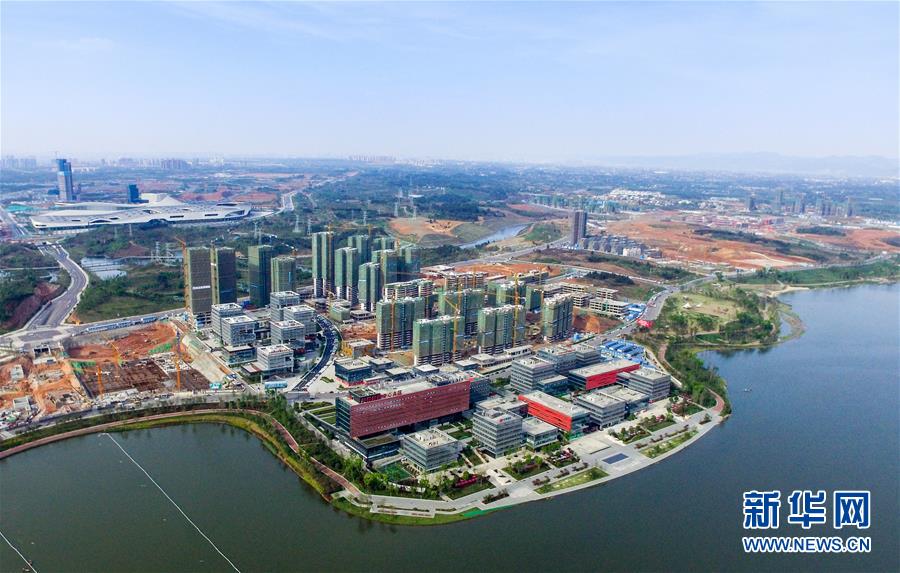
This is the building of Chengdu Science City (photo taken on April 13, 2017), which was shot in Tianfu New District, Chengdu, China (Sichuan) Pilot Free Trade Zone. Xinhua News Agency reporter Xue Yubin photo
In the first five months of this year, China actually used 369.06 billion yuan of foreign capital, up 6.8% year-on-year, and foreign companies cast a "vote of confidence" in China’s economy.
Since the beginning of this year, in the face of the counter-current of economic globalization, from greatly relaxing market access to strengthening intellectual property protection, from expanding the Pilot Free Trade Zone to introducing a foreign investment law, China’s actions have confirmed its determination to open up.
On the last day of the first half of the year, China issued a new version of the negative list of foreign investment access, and continued to compress the contents of the list, so that foreign investors will invest in more fields; Introduce the 2019 edition of the catalogue of industries that encourage foreign investment and expand the industries and fields that encourage foreign investment.
With the continuous opening up, China’s development will naturally have a big pattern!
"Despite many external unfavorable factors such as the deterioration of international trade conditions, China has maintained a steady growth trend through a series of measures such as tax reduction and fee reduction and opening up." Mao Xuxin, chief economist of the National Economic and Social Research Institute, said.
Avenue to Jane. After reading China’s determination and actions of innovation, reform and opening-up, we can find the code for China’s economy to move forward steadily without fear of wind and rain. (Reporter Zhang Xudong, Zhao Chao, An Bei, Yu Jiaxin, Chen Weiwei, Jiang Lin)